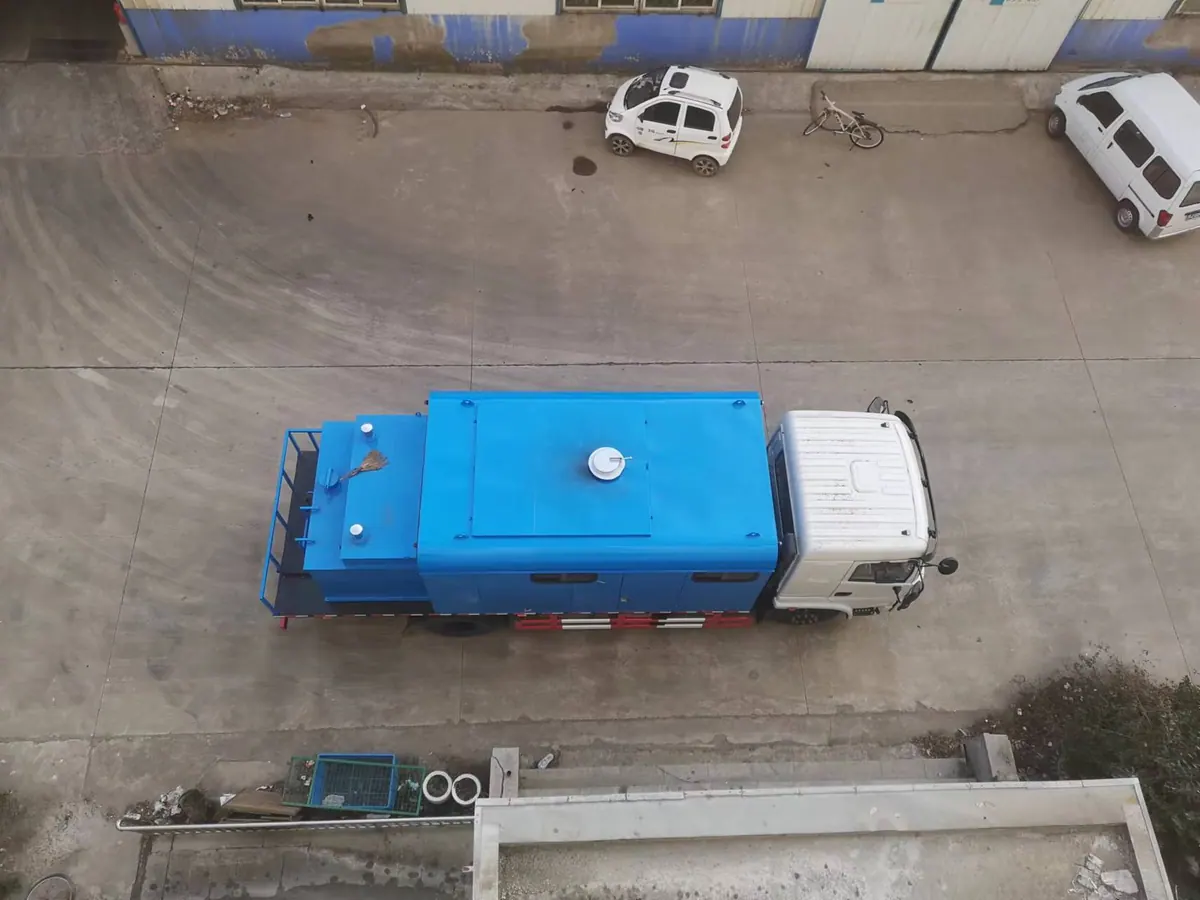
Identify each fuel-consuming system
Ask the supplier to distinguish the burner supply from the carrier and any auxiliary power source. Confirm the selected fuel requirements for each actual component. Do not assume one onboard tank serves every function or that a dual-fuel label means every available site fuel can be used. The equipment schedule should show the accepted configuration and any separate storage or supply boundary.
Describe the replenishment arrangement
Provide the proposed delivery method and site information needed by the responsible suppliers. Ask which onboard connections and external items are included. A large fuel tank does not establish that the truck can be replenished under every working condition. The accepted equipment and site documents should define the relevant restrictions; procurement should obtain those requirements without prescribing an unreviewed filling method or implying that active heating always permits replenishment.
Review access around the installed equipment
Ask for connection locations and the external space assumed by the proposed arrangement. Include doors, storage and other equipment that can affect access. A filling point visible in a reference picture may be obstructed in the actual ordered configuration. Have the supplier explain the accepted layout and its limitations, with any site approach or delivery constraints identified before the vehicle arrangement is finalized.
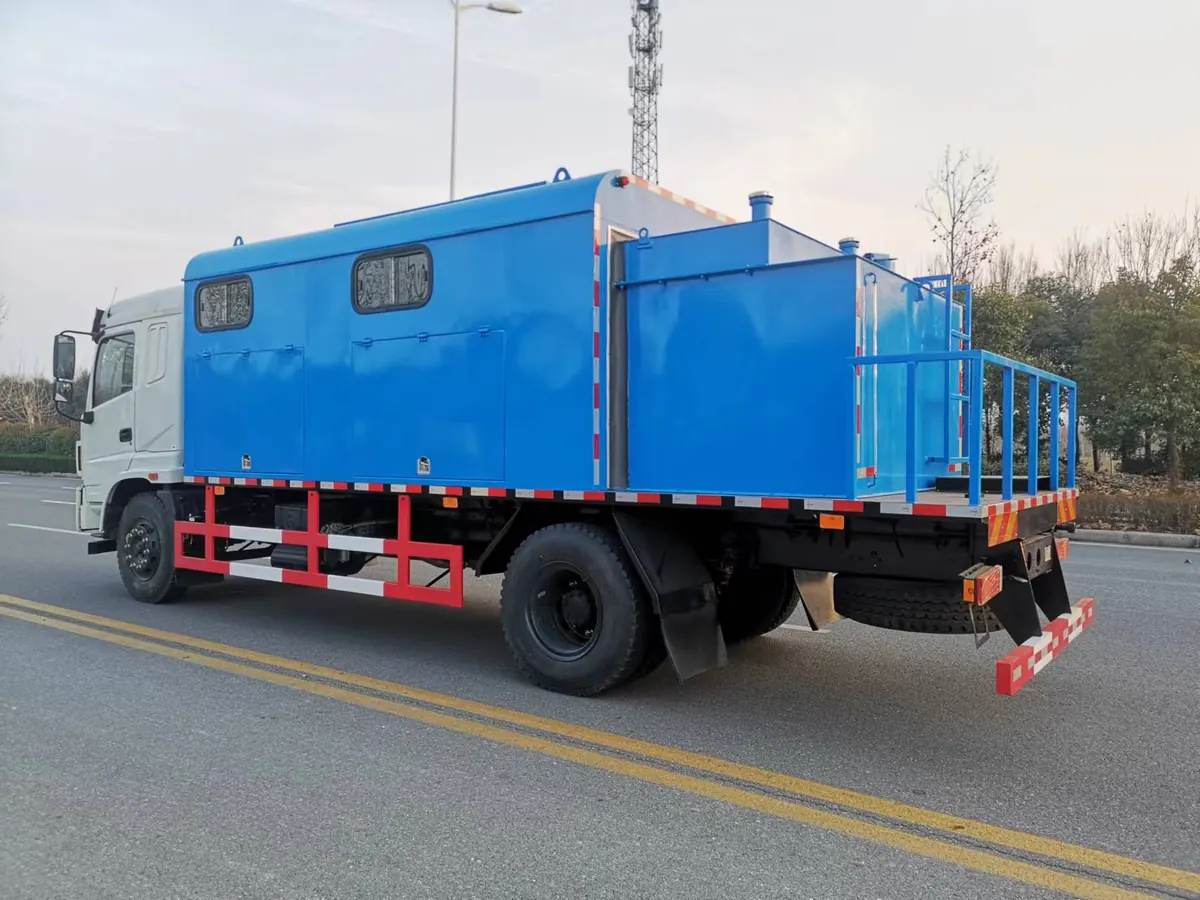
Keep storage and working-duration claims qualified
Request the condition and load basis behind quoted fuel capacity and any consumption estimate. Separate nominal tank volume from usable supply under the accepted equipment documents. Compare the actual burner, source equipment and duty cases together. Do not combine a fuel figure from one reference vehicle with a heating rating from another to promise a working duration or assume unrestricted full-tank travel at the destination.
Assign supply and inspection ownership
Agree who supplies accepted fuel, external transfer equipment, relevant records and site verification. Keep the truck provider responsibilities distinct from the delivery contractor and purchaser. Changes in source, tank or selected burner need appropriate review. Retain those interfaces with the purchase and handover information rather than leaving the crew to reconcile contradictory assumptions between carrier, heating-package and local fuel suppliers after delivery.
Compare the complete replenishment dependency
Put the selected fuels, consuming equipment, storage boundaries and delivery interfaces on one schedule. Ask each bidder to identify included components and remaining purchaser work. This exposes whether a claimed independent mobile package still depends on an external supply arrangement that has not been accepted. The selected proposal should support a clear campaign plan without inventing a universal filling procedure, guaranteed runtime or all-fuel compatibility. Relevant operating documents and competent site review govern actual replenishment, while procurement establishes the equipment and responsibilities needed to make that review possible.
Put these items side by side in the bid review
| Purchase item | Question to resolve | Evidence to request |
|---|---|---|
| Consumers | Which systems use which accepted fuel? | Component-specific supply schedule |
| Access | Where and under what accepted conditions is supply connected? | Final layout and supplier restrictions |
| Ownership | Who provides external delivery equipment? | Named responsibility list |
Suggested wording for the quotation request
Identify fuel storage and replenishment interfaces for the proposed burner, carrier and auxiliary power equipment. State selected fuels, separate tank boundaries, connection locations and access requirements. List included transfer items, external services and relevant restrictions from the equipment documents. Provide the basis of consumption estimates and clarify transport fill assumptions without promising universal runtime or unrestricted replenishment during heating.
Specify the vehicle-mounted boiler as an installed heating and transport package. Keep the chosen medium, useful outlet duty, inlet conditions and working schedule with the equipment selection. Confirm how tanks, power, controls and external connections fit the carrier and accepted operating arrangement. Component maxima and reference photographs do not prove complete installed capability. Ask the responsible suppliers to identify required site services and remaining acceptance checks. Retain the final arrangement, load basis, drawings and verification records with the purchase. Relocation, commissioning and operation require the accepted equipment documents and competent site review.
For the wider equipment scope, consult the Vehicle-Mounted Boiler: Pre-Job Checklist. Use the RFQ checklist to collect the supporting documents before requesting a configuration-specific quotation.
Buyer questions
Does one onboard fuel tank necessarily supply every system?
No. Confirm the actual carrier, burner and auxiliary-source arrangements.
Does a large tank establish a safe replenishment method?
No. Review the equipment documents, actual delivery interface and site requirements.
Background and supplier contact
OSHA oil and gas extraction guidance offers related background, not certification of the equipment in a quotation. Applicability must be checked for the project and destination.
Explore the vehicle-mounted boiler, browse all technical resources, or visit Vance Petroleum for company information. Request a heating-package proposal with the medium, useful duty, fuel, water or fluid information and site interfaces.