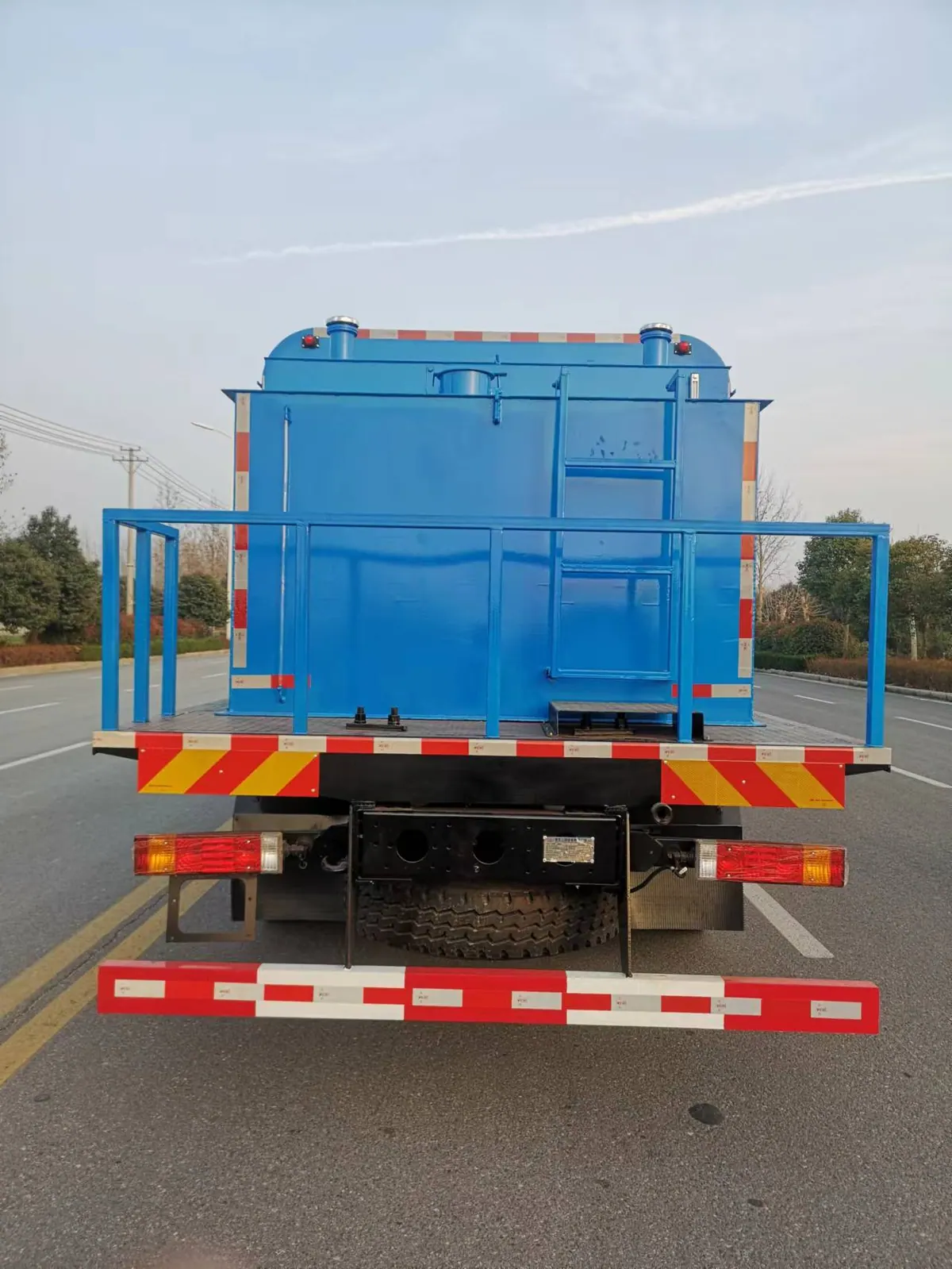
Start with the accepted steam schedule
Provide the selected steam duty, feed conditions and working pattern to the boiler supplier. Identify startup, sustained demand and interruptions through the project review. Water use depends on the actual accepted system and operating cases, not simply the catalogue tank volume. Ask the bidder to state the basis of its consumption response and distinguish measured information from estimates or provisional assumptions.
Ask what portion of storage is usable
Request the supplier definition of usable contents for the proposed arrangement and its relevant restrictions. Identify which figures represent geometric capacity, accepted fill or available supply. Do not assume the entire nominal tank can be consumed during the heating task. Keep the level, feed and control requirements within the responsible equipment documents rather than choosing an arbitrary reserve or treating a capacity label as a complete autonomy calculation.
Include the replenishment route in the selection
Identify the source of accepted feedwater, available delivery pattern and the connection boundary. Ask which onboard pumps, conditioning items or other auxiliaries are included where required. A truck can have substantial storage and still depend on timely external replenishment. Review that dependency with the actual campaign and site resources instead of promising uninterrupted steam production from a tank volume alone.
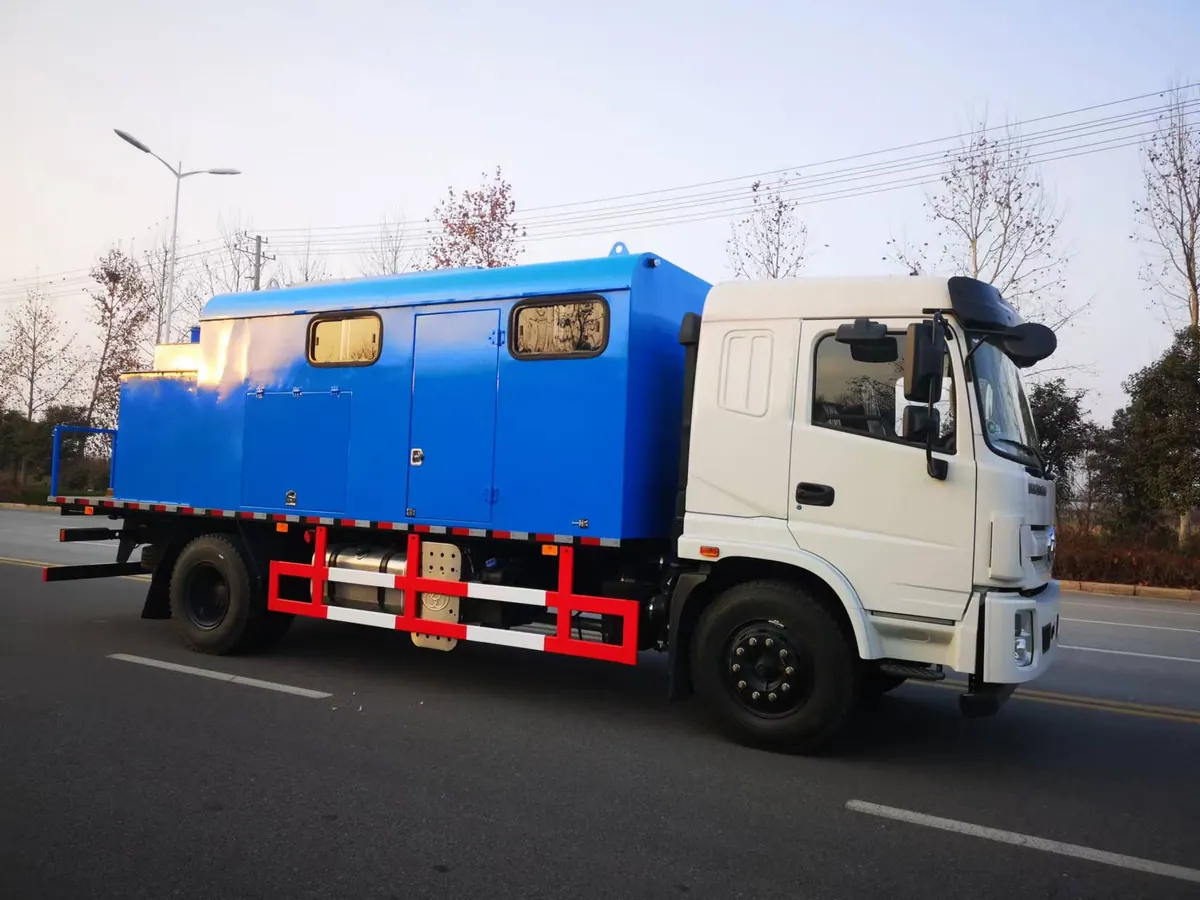
Review storage within the installed vehicle
Ask the integration and carrier suppliers to assess the proposed tank arrangement and accepted working and travel conditions. A larger water tank can change mass distribution, installation and service access. Keep those effects with the utility comparison rather than evaluating storage capacity independently. Where the purchaser needs more autonomy, request a supported alternative and identify whether it changes the vehicle or requires an external supply arrangement.
State the basis of any duration estimate
Have the bidder identify the duty, useful contents, replenishment and other assumptions supporting a quoted working duration. Ask what changes invalidate that estimate. Include the accepted response and relevant documents with the order and site plan. A steam-capacity figure and a tank-volume figure from separate reference configurations should not be combined into a promised campaign duration for the proposed truck.
Compare water logistics as part of the mobile package
Put the steam assignment, accepted water quality, usable storage and replenishment responsibilities beside each proposal. Ask whether the quoted arrangement assumes a continuous site supply or periodic deliveries. Include purchaser-side resources and interruptions where they affect the decision, using project information rather than a universal allowance. The selected package should support a documented water plan within its vehicle constraints. It should not imply that a bigger tank removes water-treatment requirements, that nominal storage equals usable supply or that an estimated duration guarantees continuous production under every field condition.
Put these items side by side in the bid review
| Purchase item | Question to resolve | Evidence to request |
|---|---|---|
| Duty | What water demand supports the steam case? | Supplier consumption basis |
| Storage | Which contents are actually available? | Defined usable-volume response |
| Logistics | How is the truck replenished? | Accepted site supply arrangement |
Suggested wording for the quotation request
Propose onboard water storage and replenishment for the attached steam-duty schedule. State nominal and usable contents, consumption assumptions, accepted feedwater requirements and external supply dependencies. Identify included pumps and conditioning scope and assess the installed vehicle implications. Explain the basis and limitations of any working-duration estimate, keeping travel load and operating water availability as separate accepted conditions.
Specify the vehicle-mounted boiler as an installed heating and transport package. Keep the chosen medium, useful outlet duty, inlet conditions and working schedule with the equipment selection. Confirm how tanks, power, controls and external connections fit the carrier and accepted operating arrangement. Component maxima and reference photographs do not prove complete installed capability. Ask the responsible suppliers to identify required site services and remaining acceptance checks. Retain the final arrangement, load basis, drawings and verification records with the purchase. Relocation, commissioning and operation require the accepted equipment documents and competent site review.
For the wider equipment scope, consult the Vehicle-Mounted Boiler: Specs and Sizing. Use the RFQ checklist to collect the supporting documents before requesting a configuration-specific quotation.
Buyer questions
Can nominal tank volume guarantee steam duration?
No. Confirm usable contents, actual duty, water demand and replenishment assumptions.
Is increasing tank size only a utility decision?
No. Review its effect on the installed vehicle and accepted load conditions.
Background and supplier contact
Spirax Sarco steam engineering background offers related background, not certification of the equipment in a quotation. Applicability must be checked for the project and destination.
Explore the vehicle-mounted boiler, browse all technical resources, or visit Vance Petroleum for company information. Request a heating-package proposal with the medium, useful duty, fuel, water or fluid information and site interfaces.