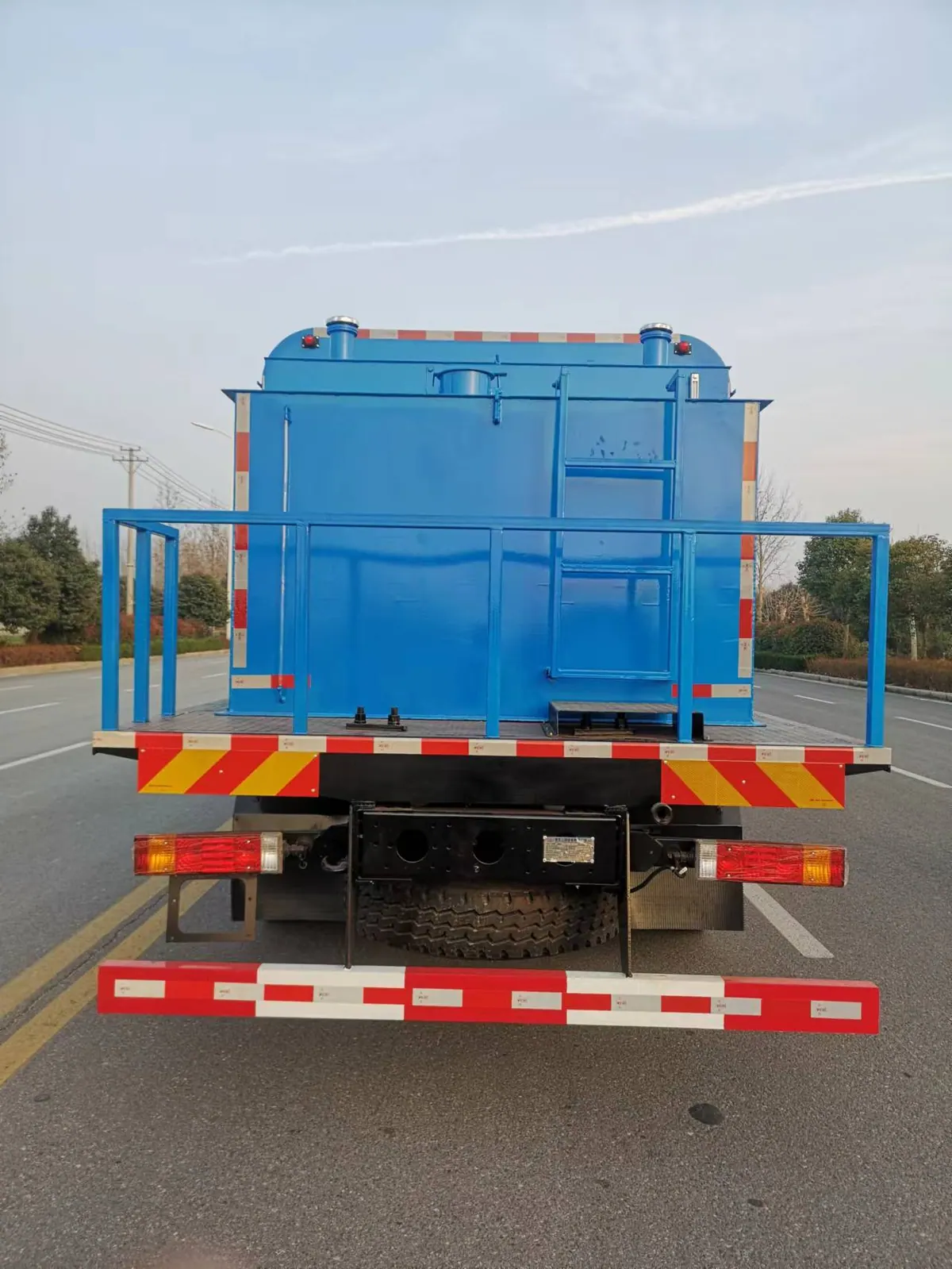
Describe the parked working assignment
Provide the planned receiver, chosen medium, useful duty and expected working duration. Distinguish temporary stops from longer stationary campaigns and identify the operating pattern for supplier review. A mobile package does not automatically have the same support needs in both situations. Ask the responsible team to define the actual assignment instead of using road mobility as evidence that every stationary heating case is already supported.
Identify active equipment and resources
Ask which power, fuel, water and other services are needed while the truck is positioned for heating. Identify any chassis-dependent functions and external replenishment assumptions. A complete installed vehicle can still depend on site resources. The proposal should explain those boundaries so the purchaser can assess the actual parked configuration rather than assume that an onboard source supplies every function indefinitely.
Review location-specific constraints
Have the project team identify applicable placement, access, noise, emissions and other site requirements for the selected equipment. Request the information needed from the supplier and destination specialists. Do not infer acceptance from a general industrial-use statement. Where restrictions affect the power source, operating window or permitted location, obtain a configuration-specific response before treating a successful road delivery as permission to start the heating assignment.
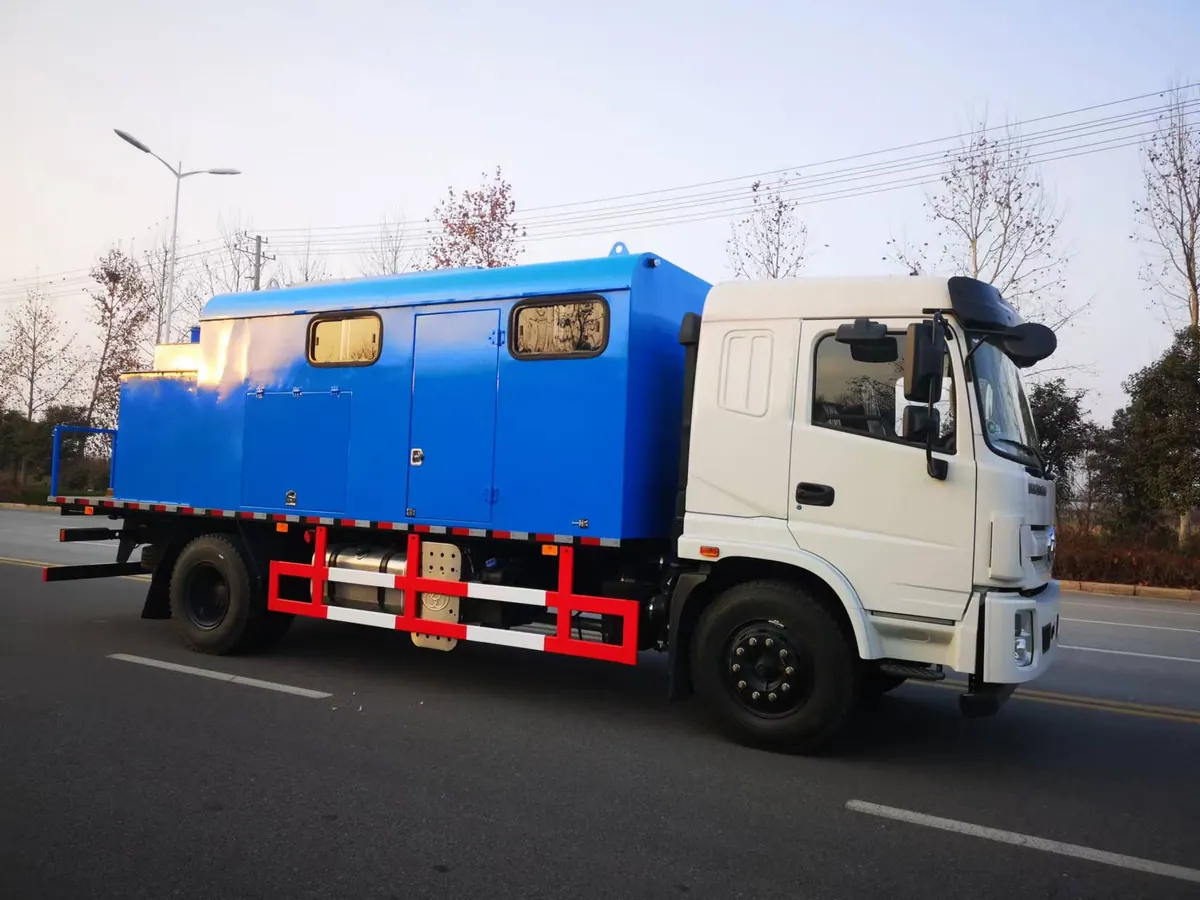
Define attendance and support separately
Ask the responsible supplier and project reviewers to identify the accepted control functions and operating-document requirements. Automatic burner control or remote status information does not itself authorize unattended site operation. Include operator resources, service arrangements and external responsibilities in the campaign plan. Keep any support commitment tied to confirmed commercial terms rather than a generic global availability or immediate-response promise.
Confirm readiness for the accepted case
Agree which installed functions can be checked before dispatch and what remains to be verified after positioning. Retain the utility, connection and receiving-system requirements with the handover information. If the parked duty changes, request review of the affected equipment and site arrangements. A longer stay or a different receiver should not silently expand the original selection into a universal continuous-operation guarantee.
Compare parked-duty dependencies as a package
Put the accepted heat demand, duration, active source equipment, replenishment and site services on one schedule. Ask each bidder to state its assumptions and identify purchaser-side work. This reveals whether a mobile arrangement is practical for the intended campaign without presuming that a larger tank or separate generator resolves every dependency. The accepted purchase should explain the supported stationary use and remaining acceptance work. It should not claim that parking position alone establishes site suitability, that an automatic panel removes attendance requirements or that the absence of permanent foundations means no site preparation is necessary.
Put these items side by side in the bid review
| Purchase item | Question to resolve | Evidence to request |
|---|---|---|
| Assignment | How does the package work while parked? | Accepted duty and duration |
| Resources | What remains active or externally supplied? | Stationary utility schedule |
| Site | Which local constraints affect use? | Project-specific acceptance review |
Suggested wording for the quotation request
Assess the proposed vehicle-mounted boiler for the attached stationary heating assignment. Identify the required source equipment, carrier-dependent functions, replenishment, operator and site resources. State information needed to review local operating constraints and propose installed and site verification boundaries. Distinguish supported duration from preliminary estimates and keep attendance and external services explicit rather than implying unrestricted autonomous operation.
Specify the vehicle-mounted boiler as an installed heating and transport package. Keep the chosen medium, useful outlet duty, inlet conditions and working schedule with the equipment selection. Confirm how tanks, power, controls and external connections fit the carrier and accepted operating arrangement. Component maxima and reference photographs do not prove complete installed capability. Ask the responsible suppliers to identify required site services and remaining acceptance checks. Retain the final arrangement, load basis, drawings and verification records with the purchase. Relocation, commissioning and operation require the accepted equipment documents and competent site review.
For the wider equipment scope, consult the Vehicle-Mounted Boiler: Uses and Operation. Use the RFQ checklist to collect the supporting documents before requesting a configuration-specific quotation.
Buyer questions
Does road mobility prove suitability for a long stationary campaign?
No. Review the actual heating, utility, carrier and site requirements.
Does automatic burner control authorize unattended operation?
No. Attendance and operating authorization depend on the accepted equipment and site requirements.
Background and supplier contact
OSHA oil and gas extraction guidance offers related background, not certification of the equipment in a quotation. Applicability must be checked for the project and destination.
Explore the vehicle-mounted boiler, browse all technical resources, or visit Vance Petroleum for company information. Request a heating-package proposal with the medium, useful duty, fuel, water or fluid information and site interfaces.