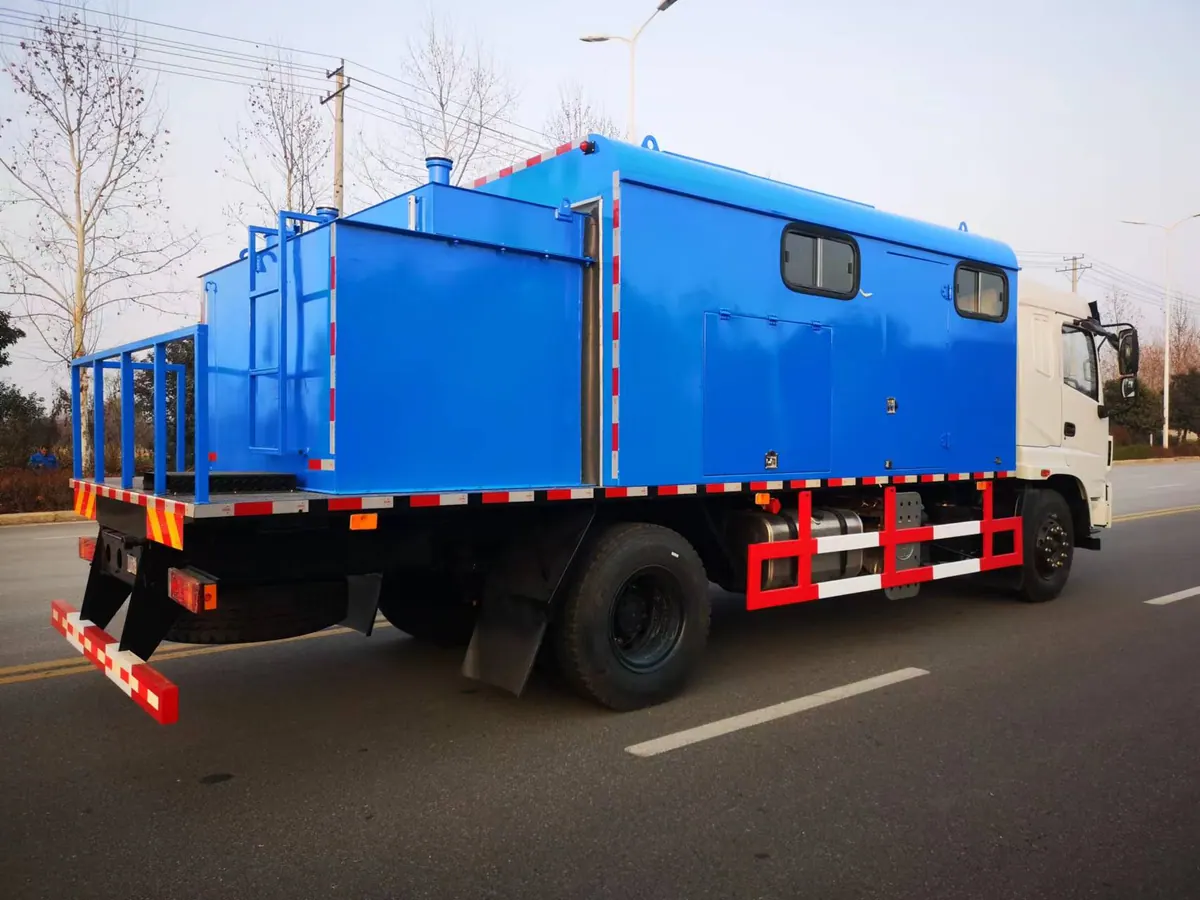
Define the service before naming a hose
Provide the chosen medium and accepted operating conditions through the responsible project review. Identify the boiler outlet and receiving-system boundary. Steam, hot water and other heating services do not justify a universal interchangeable connection kit. Ask the relevant providers to assess the actual proposed assembly and its restrictions, rather than relying on a generic high-temperature or high-pressure label in a vehicle accessory list.
Describe the route to the receiver
Provide the proposed vehicle position and route constraints for review. Distinguish nominal hose length from the usable connection arrangement needed at the site. Ask which supports, adapters and other items are included and which are purchaser scope. A sufficiently long assembly can still be unsuitable for the accepted route or receiver interface. Keep the configuration review with the responsible suppliers rather than inventing a generic routing or support instruction.
Identify the supplied assemblies and records
Request the actual end connections, assembly identities and relevant documentation for the selected service. Ask what inspection and acceptance evidence is included and which checks remain after connection at site. A certificate for an unrelated hose or loose fitting does not establish the supplied complete assembly. Keep accessories and replacement items linked to the accepted configuration so a later substitution receives appropriate review.
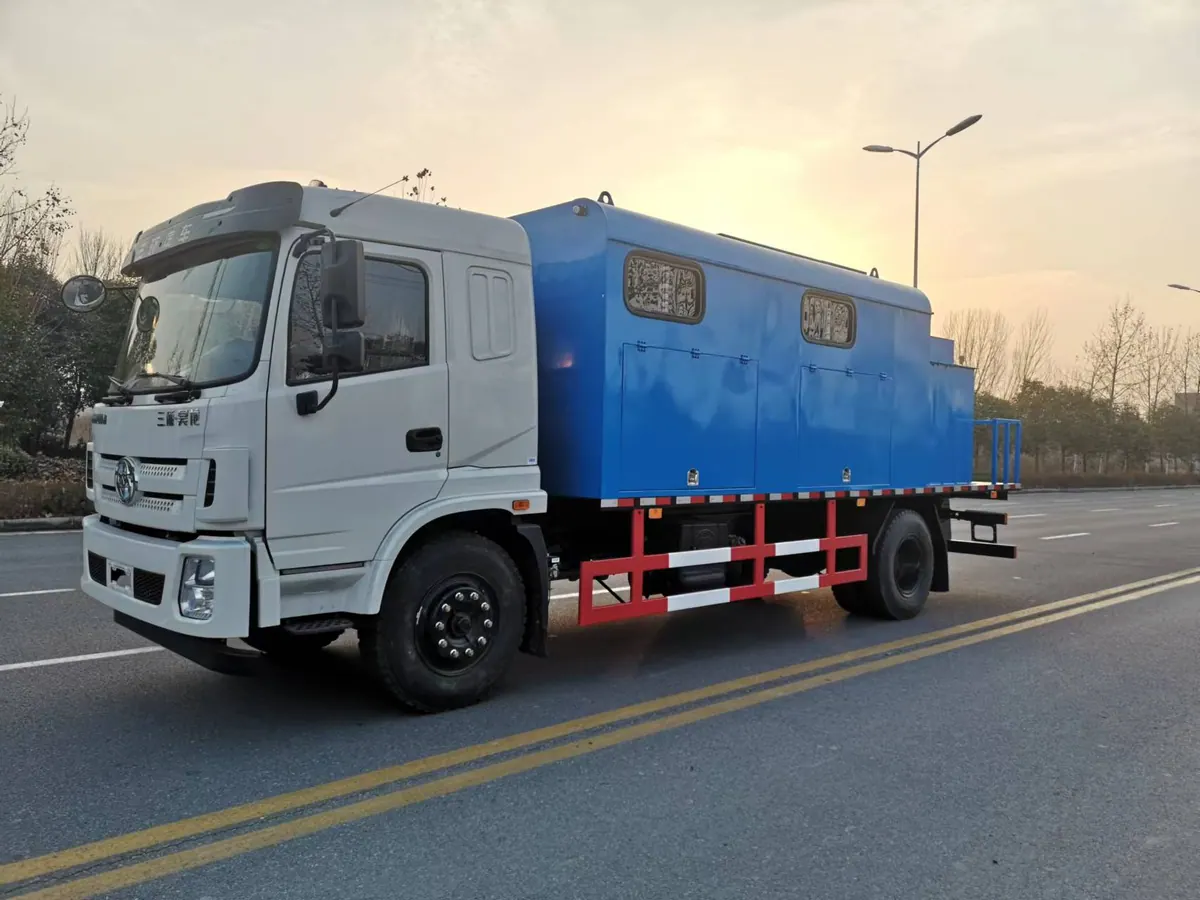
Review transport storage on the vehicle
Ask how the agreed kit is stowed and secured within the installed arrangement and accepted travel condition. Identify any reels, boxes or handling provisions explicitly supplied. Storage affects access, mass and the protection of assemblies between jobs. Do not assume that an available compartment or a reference photograph proves suitable storage for every length or connection arrangement the purchaser may request.
Include ownership after each move
Agree who inspects, maintains and verifies the connection equipment under the applicable documents and site procedures. Preserve the accepted service, assembly list and storage information with handover records. A successful initial factory or site check does not approve a different receiver, route or accessory indefinitely. Changes in service or connection equipment should trigger the relevant review before the original kit is treated as universally suitable.
Price the installed connection package, not hose length alone
Ask bidders to respond with assemblies, ends, accessories, records and onboard storage identified. Compare the same service and site route, with external supports and receiving work visible. A cheaper length-based quote can omit essential interfaces, while a more extensive kit may add vehicle load and access implications. The accepted order should define a supported connection arrangement and its responsibilities. It should not promise universal medium compatibility, a safe field line-up from a catalogue image or suitability of every future adapter merely because it can be physically attached to the supplied outlet.
Put these items side by side in the bid review
| Purchase item | Question to resolve | Evidence to request |
|---|---|---|
| Service | Which accepted conditions apply? | Reviewed assembly specification |
| Route | What connects the truck to the receiver? | Identified kit and interface drawing |
| Storage | How is the kit carried between jobs? | Accepted stowage and load arrangement |
Suggested wording for the quotation request
Quote the connection kit for the attached vehicle position, receiver and selected heating service. Identify assemblies, end connections, accessories, external supports and acceptance records. Include onboard storage and handling scope with its vehicle implications. State service and routing restrictions, inspection responsibilities and changes requiring review. Compare the complete usable arrangement rather than treating nominal hose length as the whole connection package.
Specify the vehicle-mounted boiler as an installed heating and transport package. Keep the chosen medium, useful outlet duty, inlet conditions and working schedule with the equipment selection. Confirm how tanks, power, controls and external connections fit the carrier and accepted operating arrangement. Component maxima and reference photographs do not prove complete installed capability. Ask the responsible suppliers to identify required site services and remaining acceptance checks. Retain the final arrangement, load basis, drawings and verification records with the purchase. Relocation, commissioning and operation require the accepted equipment documents and competent site review.
For the wider equipment scope, consult the Vehicle-Mounted Boiler: RFQ Checklist. Use the RFQ checklist to collect the supporting documents before requesting a configuration-specific quotation.
Buyer questions
Does a matching nominal connection establish suitability?
No. Review the complete assembly, accepted service and actual interface requirements.
Should storage enter the hose-kit purchase review?
Yes. Confirm protection, access and transport implications on the proposed vehicle.
Background and supplier contact
Spirax Sarco steam engineering background offers related background, not certification of the equipment in a quotation. Applicability must be checked for the project and destination.
Explore the vehicle-mounted boiler, browse all technical resources, or visit Vance Petroleum for company information. Request a heating-package proposal with the medium, useful duty, fuel, water or fluid information and site interfaces.