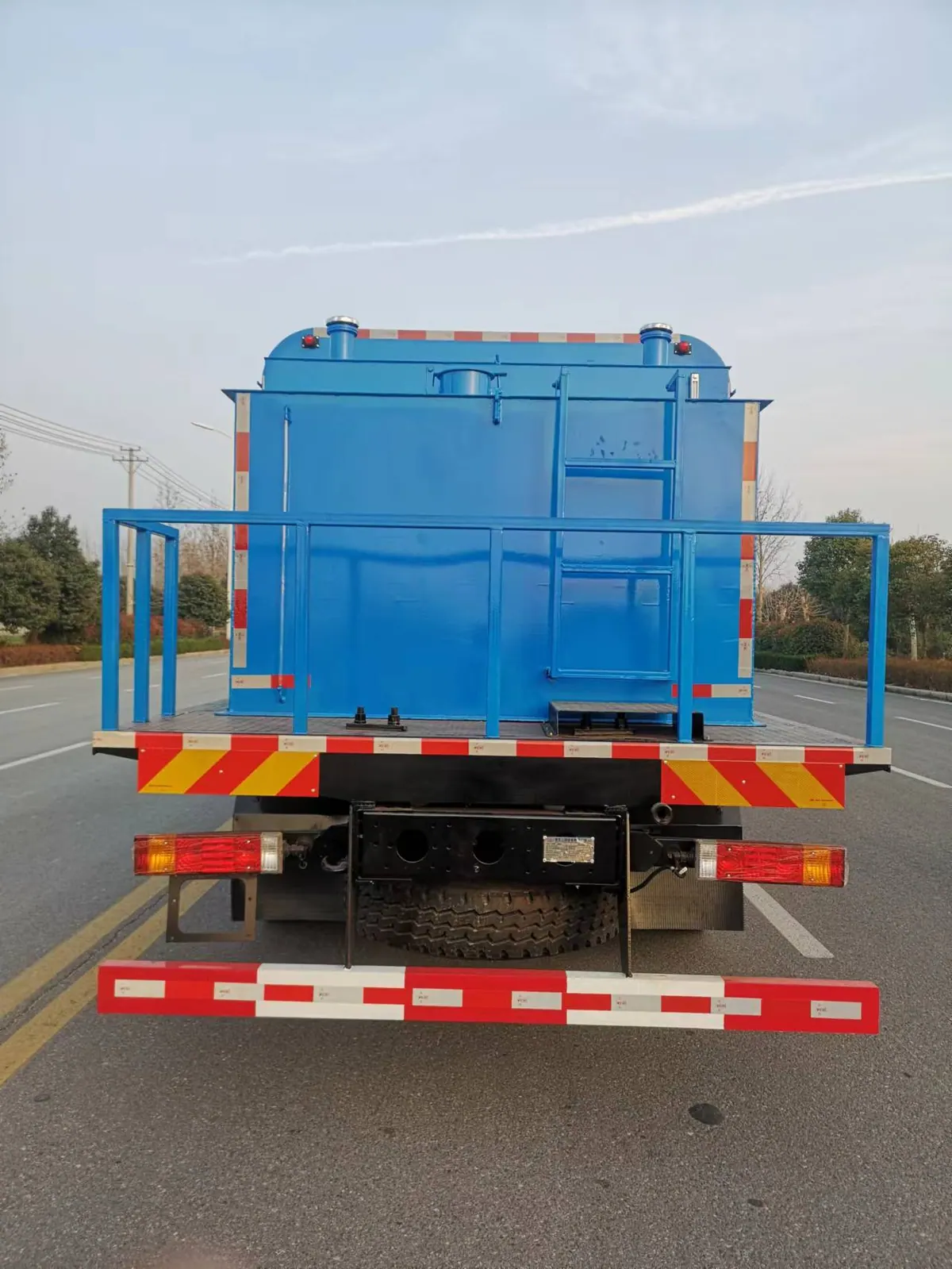
Confirm whether returns belong in the selected system
Have the responsible steam-system team define whether the proposed assignment includes condensate collection or another return arrangement. Identify the relevant receiving and supply boundaries. Do not assume every mobile steam duty has the same recovery opportunity or that adding a connection automatically establishes usable returns. The vehicle supplier needs an accepted system description before it can identify the equipment and interfaces actually included in the proposed truck.
Locate collection relative to the truck
Provide the proposed vehicle position and external collection arrangement for supplier review. Ask which equipment is onboard and which is located at the receiver or elsewhere on site. A compact mobile layout can make ownership of those items easy to overlook. Keep the physical route and available site space visible rather than comparing recovery claims without identifying where the collected stream reaches the truck supply boundary.
Identify transfer and acceptance responsibilities
Ask the relevant providers to assess the actual return conditions and required transfer interface. List any external equipment and information needed to determine suitability for the selected system. A nominal return volume does not prove that the stream can be accepted directly by the onboard water arrangement. Quality, condition and interface requirements need their own competent review rather than being inferred from the existence of an empty tank connection.
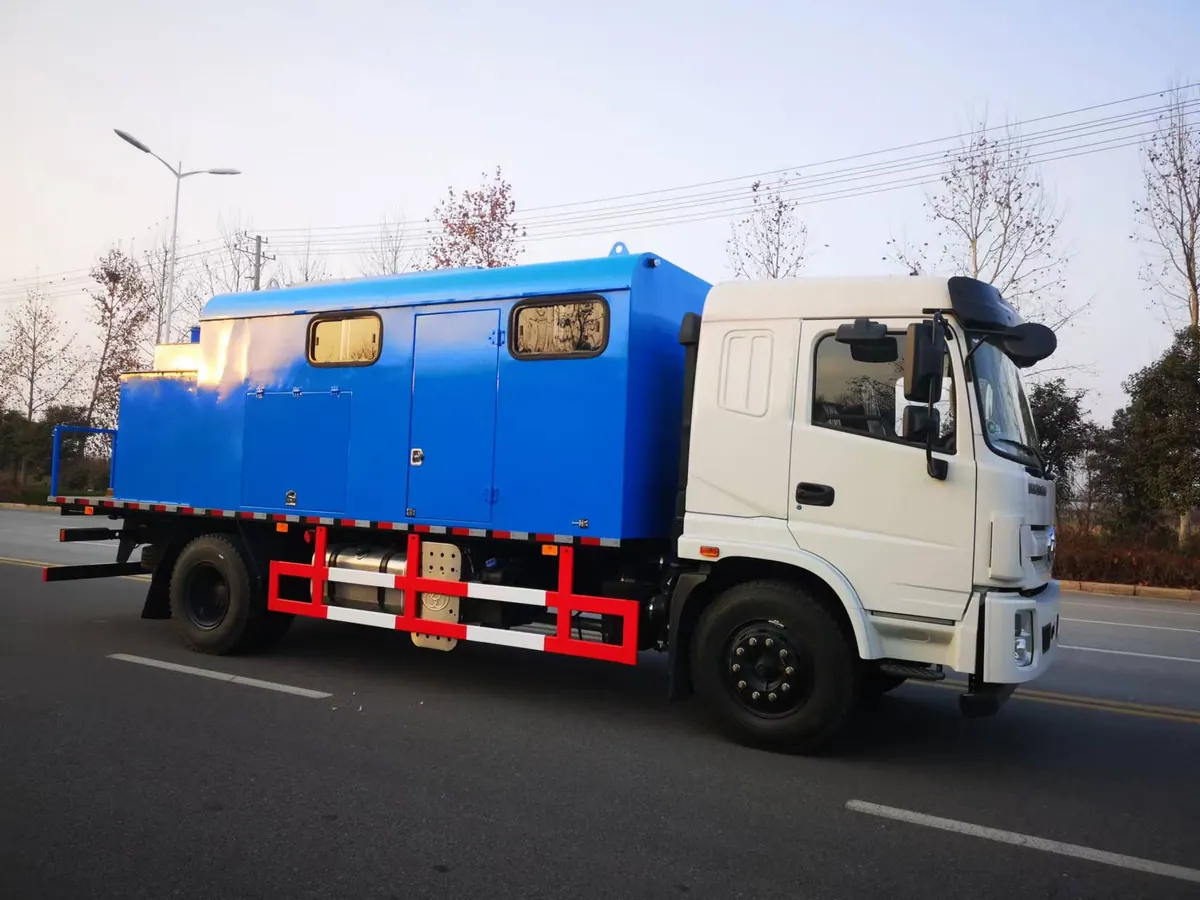
Review relocation and alternative sites
Identify how changes in receiver location, collection point or available external equipment affect the original arrangement. Ask which connection and verification requirements must be revisited after a move. A working interface at one site is not automatic acceptance at another. Keep the accepted layout and limitations with the vehicle documents so a change in the route or return source does not silently modify the boiler supply basis.
Keep recovery assumptions out of unsupported guarantees
Ask bidders to separate included equipment from any estimated reduction in external water or energy demand. Record the assumptions and responsible calculation boundary where such estimates are offered. Do not assign a universal saving or uninterrupted operating duration to the return arrangement. The contract should state the actual mobile interface and its external dependencies, with evidence and remaining site checks agreed for the selected steam assignment.
Compare the physical return path as well as the concept
Use a drawing or interface schedule that names the collection, transfer, receiving and verification responsibilities. Ask the truck and external-system suppliers to respond to the same arrangement. This helps the purchaser identify omitted items without assuming that every mobile installation needs identical return equipment. Keep any potential utility benefit conditional on the actual accepted source and operating cases. The purchase should establish an identifiable integration boundary, not promise automatic recovery of all condensate, acceptance of an unreviewed stream or compatibility of every later receiver simply because the truck has a connection labelled return.
Put these items side by side in the bid review
| Purchase item | Question to resolve | Evidence to request |
|---|---|---|
| System | Are returns included in the accepted steam arrangement? | Reviewed process boundary |
| Layout | Where does collection meet vehicle supply? | Site and truck interface drawing |
| Acceptance | Who confirms return suitability? | Named equipment and verification scope |
Suggested wording for the quotation request
Review the return interface for the attached steam assignment, vehicle position and collection arrangement. Identify onboard and external equipment, transfer responsibilities and source conditions requiring acceptance. State the connection and verification scope after relocation. Separate any estimated utility benefit from the actual supplied hardware and disclose assumptions rather than treating a return connection as a complete recovery system.
Specify the vehicle-mounted boiler as an installed heating and transport package. Keep the chosen medium, useful outlet duty, inlet conditions and working schedule with the equipment selection. Confirm how tanks, power, controls and external connections fit the carrier and accepted operating arrangement. Component maxima and reference photographs do not prove complete installed capability. Ask the responsible suppliers to identify required site services and remaining acceptance checks. Retain the final arrangement, load basis, drawings and verification records with the purchase. Relocation, commissioning and operation require the accepted equipment documents and competent site review.
For the wider equipment scope, consult the Vehicle-Mounted Boiler: Utility Planning. Use the RFQ checklist to collect the supporting documents before requesting a configuration-specific quotation.
Buyer questions
Does a return connection establish a complete recovery package?
No. Identify collection, transfer, receiving and acceptance responsibilities separately.
Can a return arrangement be copied unchanged to another site?
Only after the relevant source, layout and equipment interfaces are reviewed.
Background and supplier contact
Spirax Sarco steam engineering background offers related background, not certification of the equipment in a quotation. Applicability must be checked for the project and destination.
Explore the vehicle-mounted boiler, browse all technical resources, or visit Vance Petroleum for company information. Request a heating-package proposal with the medium, useful duty, fuel, water or fluid information and site interfaces.