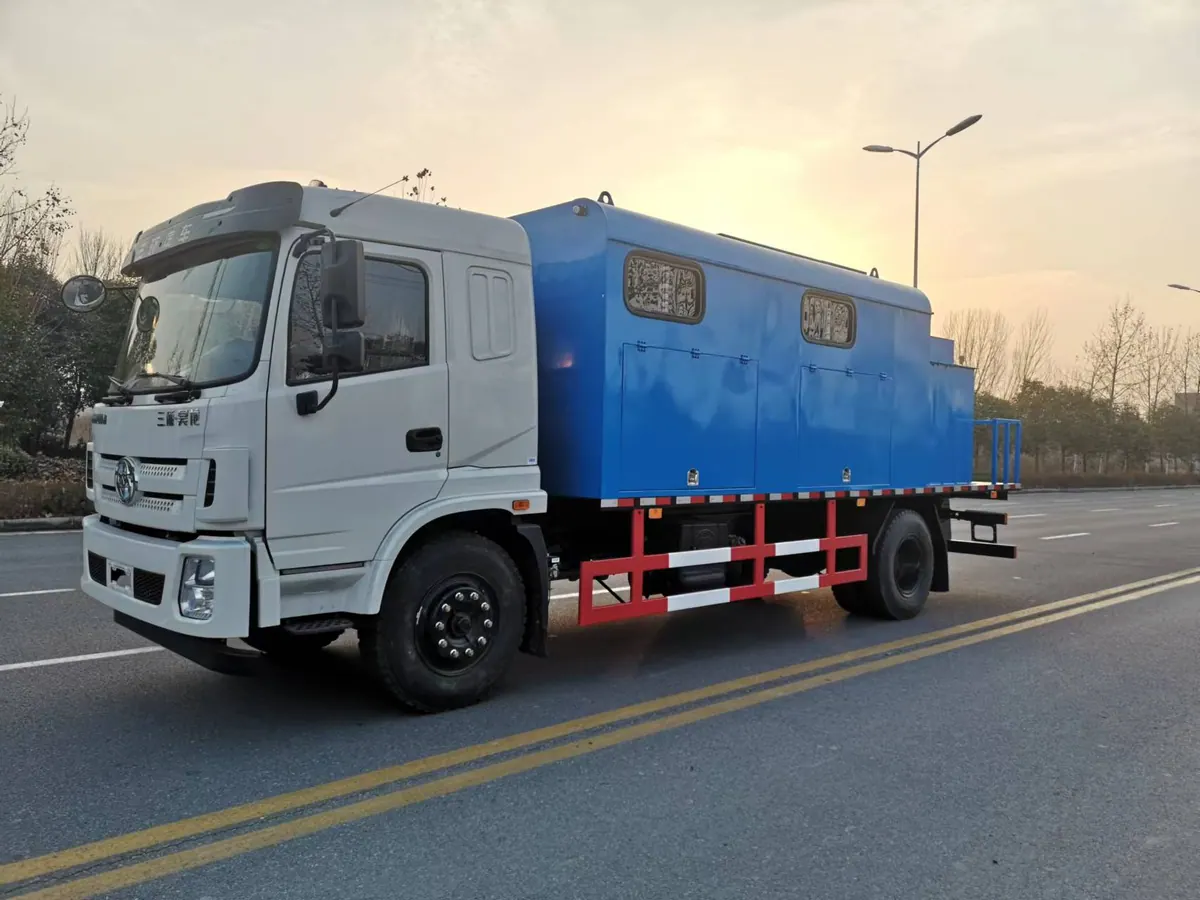
Describe the sequence of heating assignments
List the intended receivers, required medium and useful duty for the relevant stops. Identify known variation and the information still provisional. Ask the responsible project team to define the campaign cases before requesting an equipment recommendation. A single maximum output can hide important differences between short heating tasks, sustained demand and sites that require different connection or utility arrangements.
Keep travel and preparation outside headline output
Provide the anticipated movement pattern and the accepted requirements between assignments. Ask what supplier information is needed to plan preparation, preservation and connection work. A capacity rating does not establish the number of sites a vehicle can serve in a day. Do not invent a universal rig-up or warm-up time; retain configuration-specific evidence and purchaser-side activities in the campaign assessment.
Review utilities across the whole campaign
Identify accepted fuel, water or other fluid sources at the relevant locations. Ask how onboard storage and external replenishment support the selected duty cases. Available resources may differ between stops even when the heating requirement appears similar. Keep working and travel fill conditions distinct, with a vehicle assessment where needed, rather than assuming maximum tank contents can always be carried and consumed throughout the route.
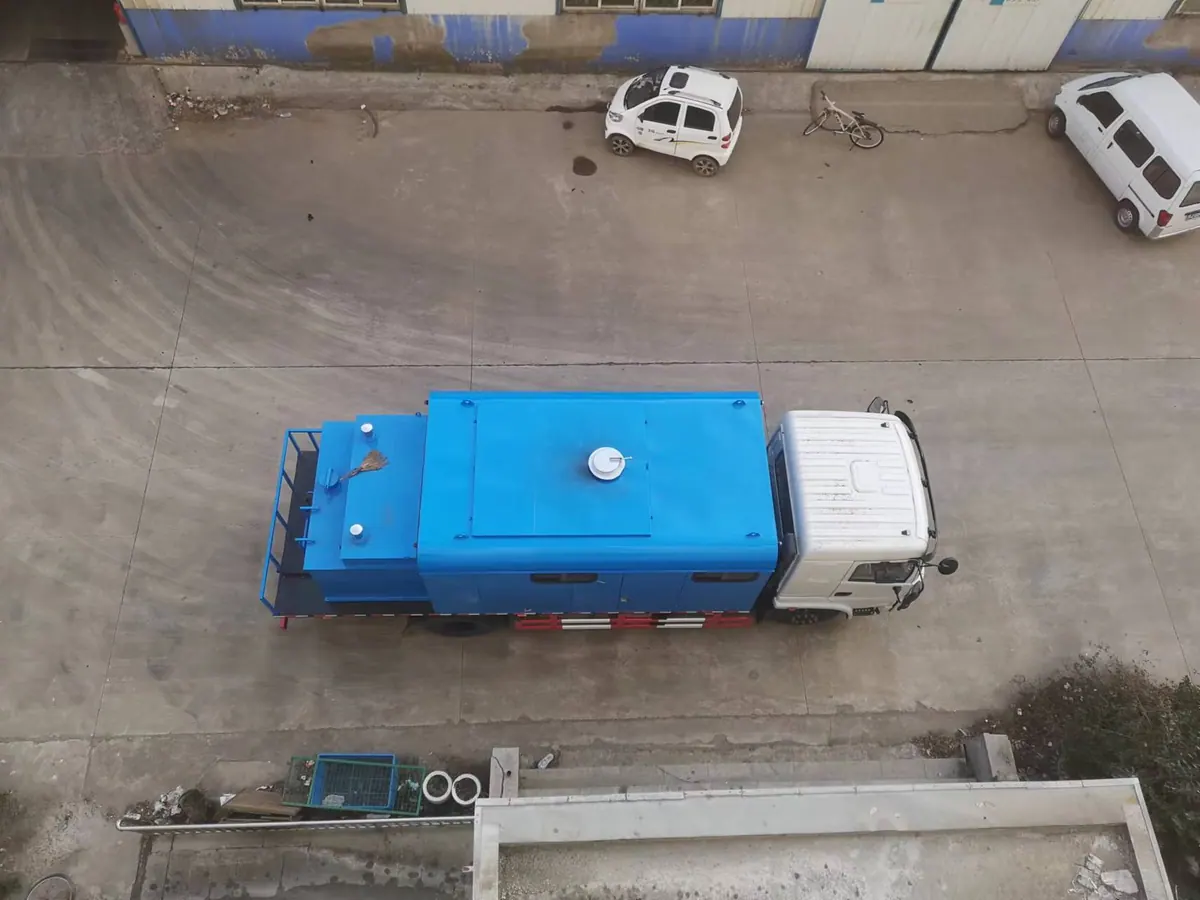
Ask about repeated and changing duty cases
Have the supplier respond to the actual pattern of startup, heating, interruptions and relocation for the chosen equipment. Identify restrictions and evidence supporting the proposed arrangement. A high nominal capacity does not necessarily resolve control, utility or preparation constraints at each receiver. Changes in heating medium or service should remain separate reviewed alternatives, not be treated as ordinary adjustments because the truck is moving between sites.
Compare proposals against campaign requirements
Use the same sequence and resource assumptions for each bidder. Ask what equipment, support or site work differs between alternatives and record those dependencies with commercial adjustments. The selected vehicle should support an identifiable program within its accepted limits. If the project later changes the number of stops, receiver type or utility source, request a revised assessment instead of extending an earlier estimate into a guaranteed campaign result.
Build a usable campaign comparison without a promised daily quota
Ask the purchaser team to combine supplier-supported equipment information with actual travel and site records. Distinguish quoted capability, project estimates and unresolved inputs. A mobile heating package can reduce some relocation requirements compared with separate equipment, but the practical result depends on the accepted arrangement and site resources. Keep those assumptions visible rather than claiming a fixed number of wells, a universal turnaround or guaranteed savings. The purchase should establish a supported vehicle and heating configuration, with the campaign outcome reviewed on the real route and receiver conditions.
Put these items side by side in the bid review
| Purchase item | Question to resolve | Evidence to request |
|---|---|---|
| Stops | Which heat duties and receivers vary? | Accepted campaign case list |
| Moves | What preparation and travel are assumed? | Project movement and readiness basis |
| Resources | Where are utilities replenished? | Site-by-site supply schedule |
Suggested wording for the quotation request
Assess the attached multi-stop campaign for the proposed vehicle-mounted boiler. Respond to the selected heating duties, travel pattern, preparation requirements and site utility sources. Identify onboard resources, external dependencies and restrictions affecting repeated work. State the basis of any campaign estimate and changes requiring review without promising a universal daily quota, turnaround time or outcome from peak thermal output alone.
Specify the vehicle-mounted boiler as an installed heating and transport package. Keep the chosen medium, useful outlet duty, inlet conditions and working schedule with the equipment selection. Confirm how tanks, power, controls and external connections fit the carrier and accepted operating arrangement. Component maxima and reference photographs do not prove complete installed capability. Ask the responsible suppliers to identify required site services and remaining acceptance checks. Retain the final arrangement, load basis, drawings and verification records with the purchase. Relocation, commissioning and operation require the accepted equipment documents and competent site review.
For the wider equipment scope, consult the Vehicle-Mounted Boiler: Uses and Operation. Use the RFQ checklist to collect the supporting documents before requesting a configuration-specific quotation.
Buyer questions
Does peak boiler output establish the number of stops served?
No. Include travel, preparation, utility and receiving-system requirements in the assessment.
Can one campaign estimate cover changed receivers automatically?
No. Review the affected heating and interface requirements before relying on the original estimate.
Background and supplier contact
U.S. Department of Energy steam system resources offers related background, not certification of the equipment in a quotation. Applicability must be checked for the project and destination.
Explore the vehicle-mounted boiler, browse all technical resources, or visit Vance Petroleum for company information. Request a heating-package proposal with the medium, useful duty, fuel, water or fluid information and site interfaces.