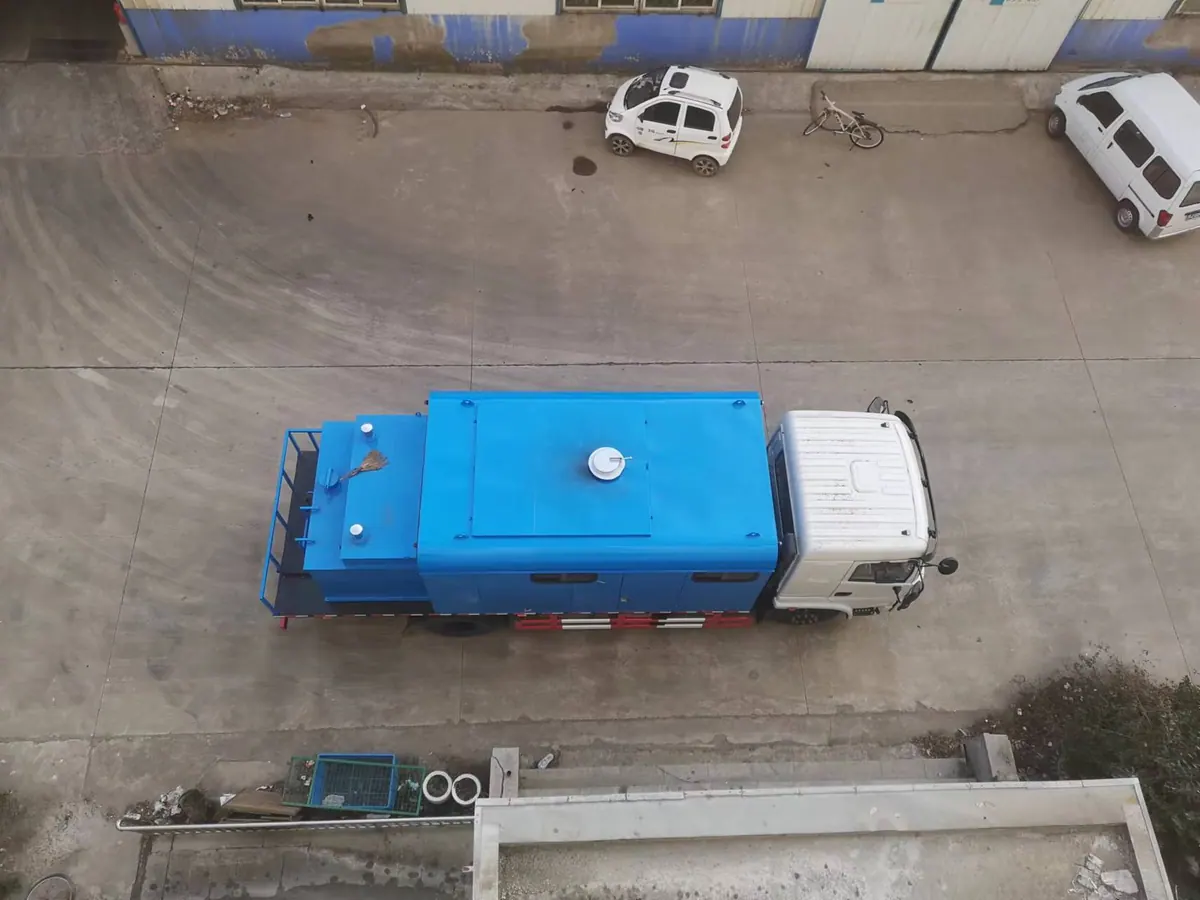
Separate factory evidence from site readiness
Identify which installed functions and documents are covered by the supplier acceptance record. Ask what external equipment and conditions were absent during that demonstration. The truck may be complete while site connections, receiving capacity or utility acceptance remain unresolved. Keep those limits explicit so procurement does not treat shipment approval as evidence that every later location is ready for the same heating assignment.
Define the accepted configuration at the new site
List the heating medium, required duty, receiving connection and relevant site services. Confirm that the vehicle and installed equipment still match the accepted arrangement. A different receiver or supply source can change the interface review even if the truck itself has not changed. Ask the responsible team to identify differences before treating another location as a repeat of the original demonstration.
Assign connection and condition checks
Have the supplier and competent project reviewers agree the relevant checks under the equipment and site documents. Identify responsibility for transport-condition inspection, external connections, utilities and receiving equipment. This is not a generic startup instruction or permission to bypass the actual operating requirements. Procurement should establish the information, resources and acceptance boundaries needed by the people responsible for the work.
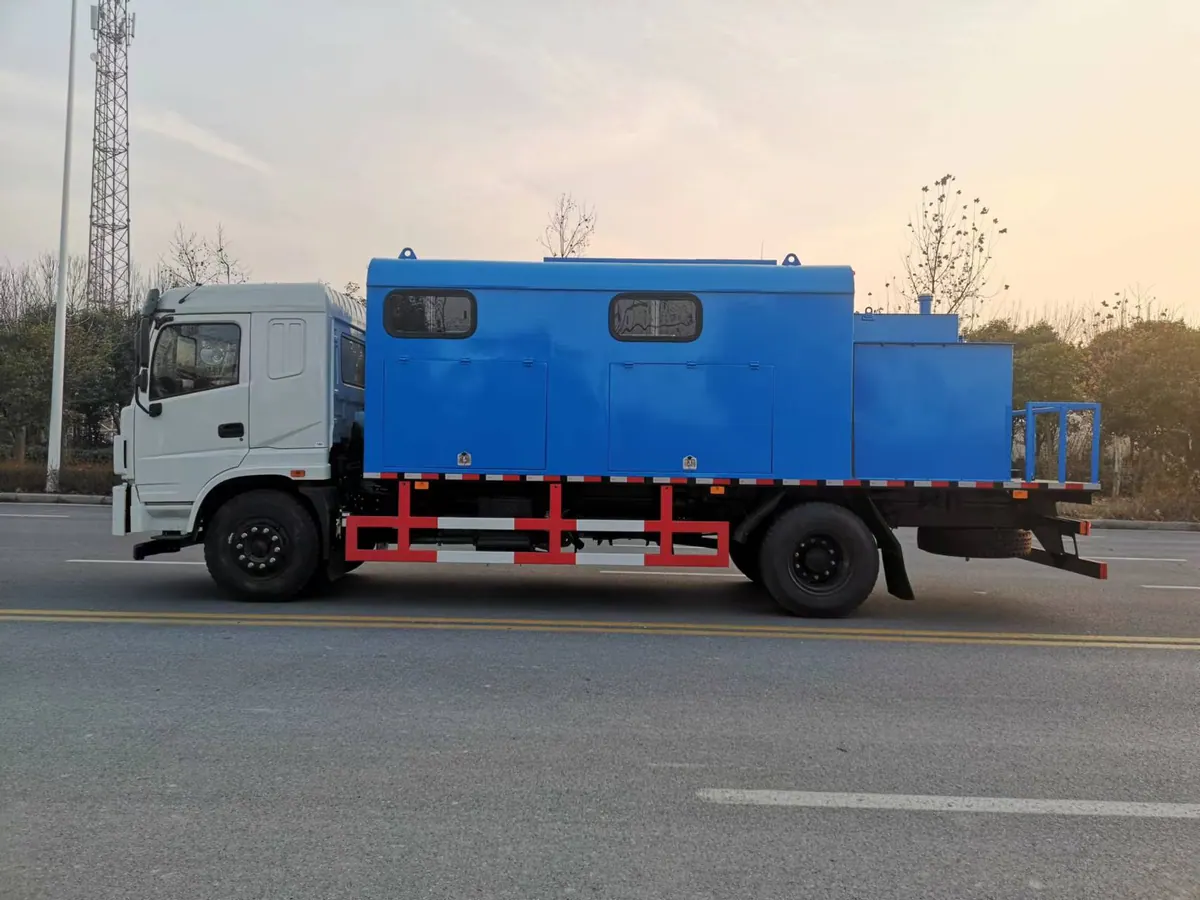
Keep measurement and records linked
Agree what configuration and relevant observations will be recorded for site acceptance. Identify how the responsible team distinguishes an equipment limitation from an unresolved external interface. Retain actual supplier documents and accepted limits with the records rather than relying on an unqualified successful-test statement. A factory result at another boundary should not be compared with site behavior under different conditions as though the cases were identical.
Control changes before further operation
Record deviations, responsible parties and the review needed before closing open items. If the medium, receiver, connection kit or utility source changes, obtain the appropriate assessment. Retain the accepted site configuration with the vehicle handover information so later moves can identify what has changed. A mobile package benefits from repeatable documentation, not an assumption that one initial acceptance approves every future location indefinitely.
Buy a repeatable handover process, not a universal site certificate
Ask what supplier documentation and agreed support will help the receiving team assess the package after a move. Identify purchaser-side resources and any specialist visits separately in the commercial scope. The aim is an understandable boundary between completed vehicle supply and site readiness for the actual assignment. It should not promise a fixed reconnection time, automatic approval of every receiver or a complete operating procedure based on generic article guidance. The competent project team and accepted equipment documents govern field work, with evidence retained for the configuration actually used.
Put these items side by side in the bid review
| Purchase item | Question to resolve | Evidence to request |
|---|---|---|
| Factory | What evidence already covers the truck? | Identified demonstration scope |
| Site | Which external conditions still require acceptance? | Receiver and utility register |
| Changes | What differs after the move? | Controlled deviation and review record |
Suggested wording for the quotation request
Include a site-acceptance scope for the proposed vehicle-mounted boiler and repeated relocation pattern. Identify factory evidence, transport-condition information, receiver and utility interfaces, and checks remaining at each location. State supplier and purchaser responsibilities and any separately quoted support. Provide configuration-linked records and change-review requirements without treating one factory demonstration as approval of all future sites.
Specify the vehicle-mounted boiler as an installed heating and transport package. Keep the chosen medium, useful outlet duty, inlet conditions and working schedule with the equipment selection. Confirm how tanks, power, controls and external connections fit the carrier and accepted operating arrangement. Component maxima and reference photographs do not prove complete installed capability. Ask the responsible suppliers to identify required site services and remaining acceptance checks. Retain the final arrangement, load basis, drawings and verification records with the purchase. Relocation, commissioning and operation require the accepted equipment documents and competent site review.
For the wider equipment scope, consult the Vehicle-Mounted Boiler: FAT Checklist. Use the RFQ checklist to collect the supporting documents before requesting a configuration-specific quotation.
Buyer questions
Does factory acceptance establish every later site interface?
No. Review the actual receiver, utilities and conditions at the new location.
Should changes after relocation be recorded?
Yes. Retain the accepted configuration, deviations and responsible review decisions.
Background and supplier contact
OSHA oil and gas extraction guidance offers related background, not certification of the equipment in a quotation. Applicability must be checked for the project and destination.
Explore the vehicle-mounted boiler, browse all technical resources, or visit Vance Petroleum for company information. Request a heating-package proposal with the medium, useful duty, fuel, water or fluid information and site interfaces.