Keep heating duty, vehicle integration and site supply distinct
Confirm the actual steam or hot-water assignment and any separately proposed process-heating arrangement. A vehicle-mounted boiler is not assumed to change heating medium or supply every treatment service without a configuration-specific response. Useful outlet performance, the installed equipment and the carrier arrangement each need an accepted basis.
Identify the travel and working conditions, onboard tanks, power and connection equipment included in the order. External water conditioning, replenishment, distribution and receiving-system work remain separate unless explicitly supplied. Retain supplier responsibilities and verification evidence together; automatic controls, a reference photograph or nominal tank capacity do not establish universal autonomy, destination acceptance or unattended site operation.
Begin with the real operating basis
A useful Vehicle-Mounted Boiler plan starts with the work the unit must perform: integrating a selected steam or hot-water heating package with its carrier and accepted site interfaces. Record normal, minimum, maximum and transient cases instead of relying on one headline capacity. The review should identify thermal output, pressure rating, chassis payload, center of gravity and accepted preparation requirements and operator access together with the source and confidence level for each value.
Trace those inputs through the duty-selected boiler or heater module, specified water or fluid supply arrangement, selected burner and accepted fuel supply and configuration-specific power and carrier interfaces. This system view helps the project team see where a site condition, fluid property or operating limit affects more than one component. It also creates a defensible basis for supplier clarification, field setup and later change control.
Train operators around decisions and observable conditions
Training should cover equipment purpose, operating envelope, component identification, pre-start checks, normal sequence, stable-duty indicators, controlled shutdown, emergency response and post-job preservation. Operators should understand why a limit exists and what evidence confirms a safe condition. A signed attendance sheet alone does not demonstrate that the crew can recognize abnormal operation.
| Review point | Project question | Required record |
|---|---|---|
| duty-selected boiler or heater module | Selected medium, useful output and accepted conditions | Configuration-specific performance basis |
| specified water or fluid supply arrangement | Quality, available supply, usable storage and replenishment | Accepted utility and equipment schedule |
| selected burner and accepted fuel supply | Actual fuel specification, supply interface and service | Burner selection and supply documents |
| configuration-specific power and carrier interfaces | Driven functions, installed loads and carrier responsibilities | Integration drawings and verification scope |
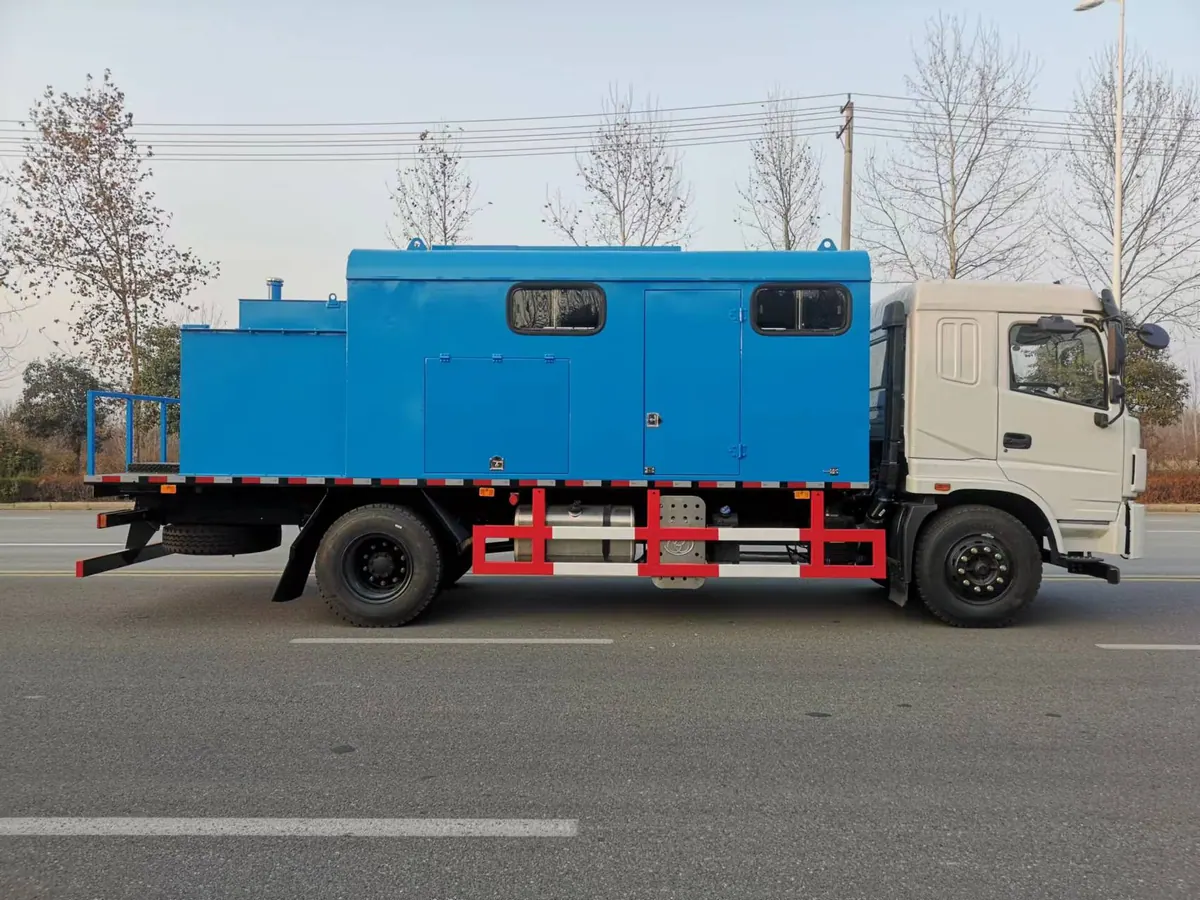
Use a short visual route before every shift or job
Inspect for leakage, loose hardware, damaged hoses or cables, blocked ventilation, contaminated filters, low fluid levels, missing guards, unsecured panels, abnormal wear and evidence of overheating. Check drains, relief discharge paths, emergency controls, fire equipment and spill materials. Verify that instruments show credible values before energy is introduced.
Adjust the route for mobile steam cleaning, oilfield heating, pipeline maintenance and temporary industrial steam supply. The operator should pay particular attention to changes in thermal output, pressure rating, chassis payload and center of gravity and compare them with the accepted baseline for this Vehicle-Mounted Boiler.
Make shift handover part of equipment control
Record hours or cycles, current configuration, recent alarms, bypass status, leaks, adjustments, consumables, open defects and planned maintenance. The incoming operator should verify critical status at the equipment rather than relying only on a verbal summary. Define which defects stop operation, which require a risk review and which may be monitored to a scheduled repair.
Keep records that support the next decision
Keep the approved duty sheet, site survey, interface drawing, procedures, inspection results, test records, deviations and signed handover information in one controlled equipment file. Record the installed component models and document revisions so operators and maintenance personnel can confirm that their instructions match the field configuration.
After the job, compare planned and actual values for thermal output, pressure rating, chassis payload, center of gravity, accepted preparation requirements and operator access. Record abnormal events, adjustments, consumable use and any condition that affected setup or performance. Use the findings to improve the next job plan without silently expanding the approved operating envelope.
Apply project and jurisdictional requirements
Use this planning guide with the owner's procedures, local law and applicable project standards. Review relevant requirements through ASME Boiler and Pressure Vessel Code resources. The project-specific engineering and safety basis governs the final configuration and work method.