Map service responsibility to equipment
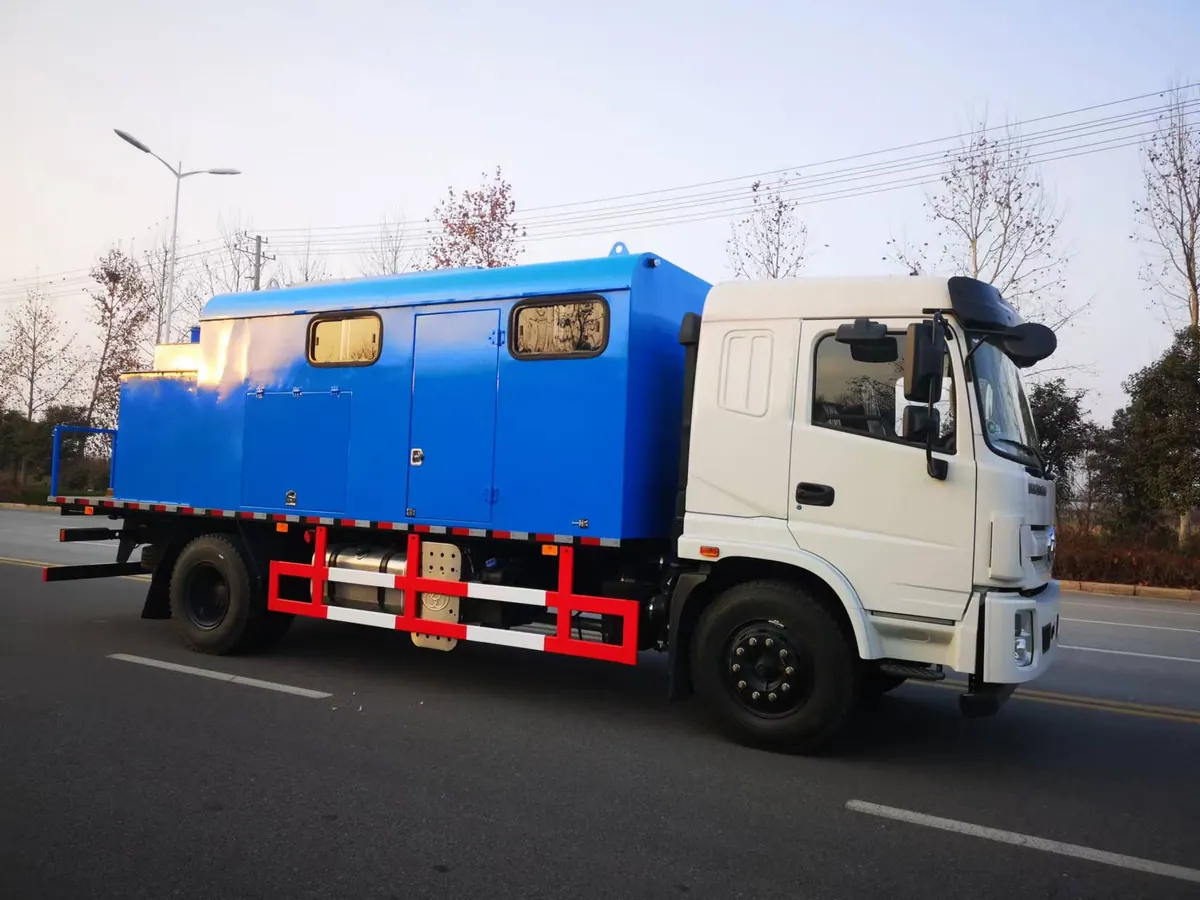
Request the identities and responsible support channels for the carrier, boiler or heater, burner, power equipment and other auxiliaries. Identify which installation interfaces are covered by the integrator. A single product name can conceal several equipment providers and different commercial terms. The purchaser should know which documents and contacts apply to the actual supplied configuration, including equipment or accessories supplied directly by others.
Review destination access realistically
Ask what service and parts arrangements are available for the selected destination and components. Separate supplier commitments from third-party availability and purchaser logistics. A familiar chassis brand does not establish local support for the installed boiler or specialized control equipment. Obtain configuration-specific information and actual terms rather than repeating an unsupported promise of immediate worldwide assistance.
Include integration questions in the support plan
Ask who reviews a fault or change involving more than one provider, such as a power interface or an installed auxiliary. The agreement should identify how technical information is exchanged and which party coordinates the response. Otherwise, carrier and heating-equipment support may each exclude the boundary between them. Procurement should resolve that ownership before delivery instead of expecting the operator to arbitrate conflicting assumptions during a campaign.
Connect initial spares to the final build
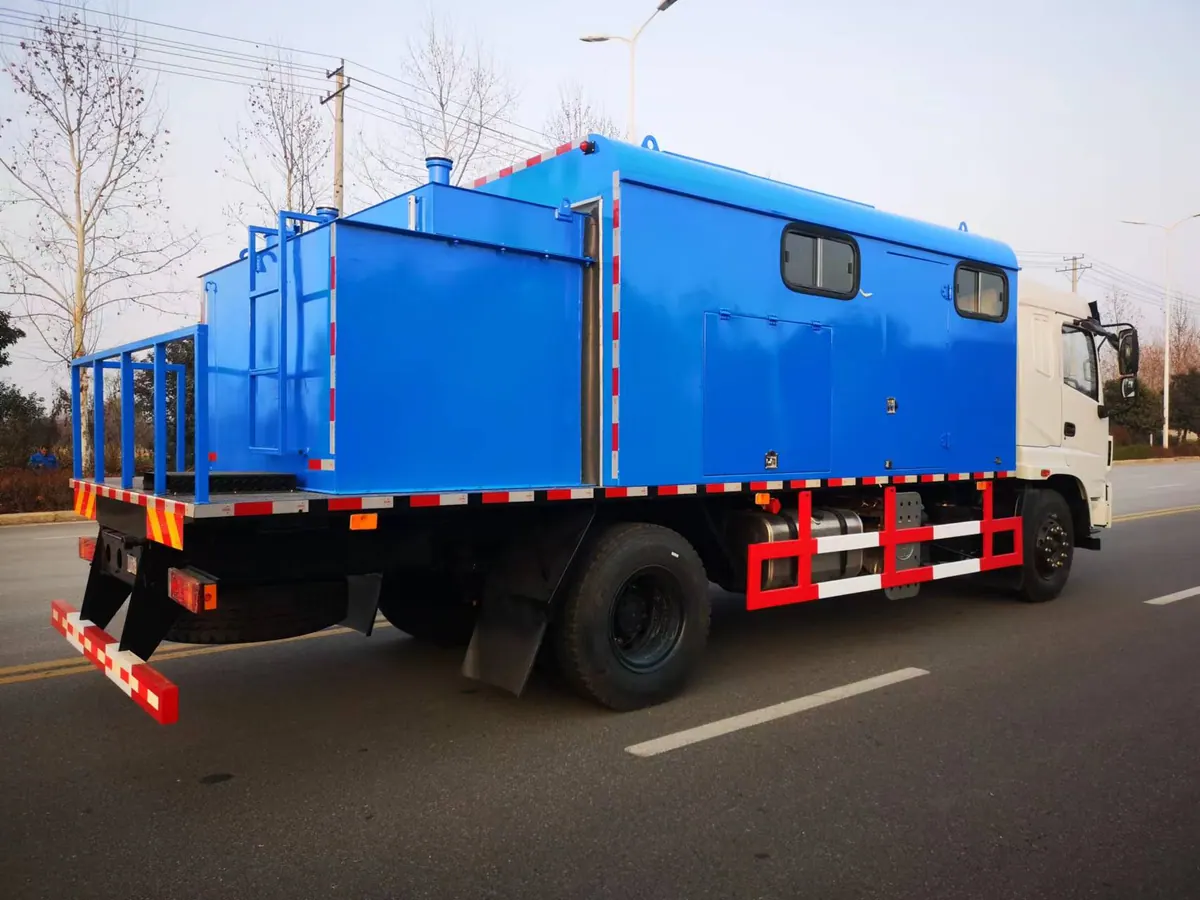
Request recommendations linked to installed equipment and the purchaser campaign resources. Distinguish consumables, calibration or inspection work, software access and specialist service. A generic spares package can omit the part or information needed at the actual interface. Ask how substitutions before shipment affect the recommendation and keep the delivered identities with the support records so later orders do not depend on a vehicle photograph.
Agree commercial terms and handover information
Confirm the actual warranty, exclusions, reporting process and included support scope in the contract. Keep these terms distinguishable between the carrier, heating equipment and integration work where necessary. Request the relevant manuals, configuration records and contacts before handover. Do not treat an attractive service slogan as a guaranteed response time, unrestricted field-repair commitment or approval for untrained personnel to modify equipment outside the accepted documents.
Compare support coverage instead of generic availability
Ask bidders to show the equipment, destination, responsible provider and terms covered by each support statement. Identify purchaser resources and uncertain service dependencies explicitly. A truck with several well-known components can still have an unowned integration problem, while a coordinated support agreement may be useful even when some work is provided by third parties. The accepted purchase should leave the receiving team with identifiable equipment and a realistic path for technical review, without promising universal stock availability, unlimited warranty coverage or a fixed repair outcome for every location and campaign.
Put these items side by side in the bid review
| Purchase item | Question to resolve | Evidence to request |
|---|---|---|
| Equipment | Who supports each supplied system? | Configuration-linked provider schedule |
| Integration | Who coordinates a cross-boundary issue? | Named technical responsibility |
| Terms | What support is actually contracted? | Accepted warranty and service scope |
Suggested wording for the quotation request
Provide a support schedule for the proposed carrier, heating equipment, auxiliaries and integration interfaces. Identify actual component models, destination service options, initial spares and required software or specialist resources. State confirmed commercial terms and exclusions and name the coordinator for cross-boundary issues. Deliver configuration records and contacts without substituting a generic worldwide-service promise for the actual agreed scope.
Specify the vehicle-mounted boiler as an installed heating and transport package. Keep the chosen medium, useful outlet duty, inlet conditions and working schedule with the equipment selection. Confirm how tanks, power, controls and external connections fit the carrier and accepted operating arrangement. Component maxima and reference photographs do not prove complete installed capability. Ask the responsible suppliers to identify required site services and remaining acceptance checks. Retain the final arrangement, load basis, drawings and verification records with the purchase. Relocation, commissioning and operation require the accepted equipment documents and competent site review.
For the wider equipment scope, consult the Vehicle-Mounted Boiler: Maintenance Guide. Use the RFQ checklist to collect the supporting documents before requesting a configuration-specific quotation.
Buyer questions
Does local chassis support establish boiler support?
No. Review the heating equipment and integration service arrangements separately.
Should warranty terms be assumed from a website slogan?
No. Confirm the actual equipment coverage, exclusions and responsibilities in the contract.
Background and supplier contact
ICC Incoterms® resources offers related background, not certification of the equipment in a quotation. Applicability must be checked for the project and destination.
Explore the vehicle-mounted boiler, browse all technical resources, or visit Vance Petroleum for company information. Request a heating-package proposal with the medium, useful duty, fuel, water or fluid information and site interfaces.