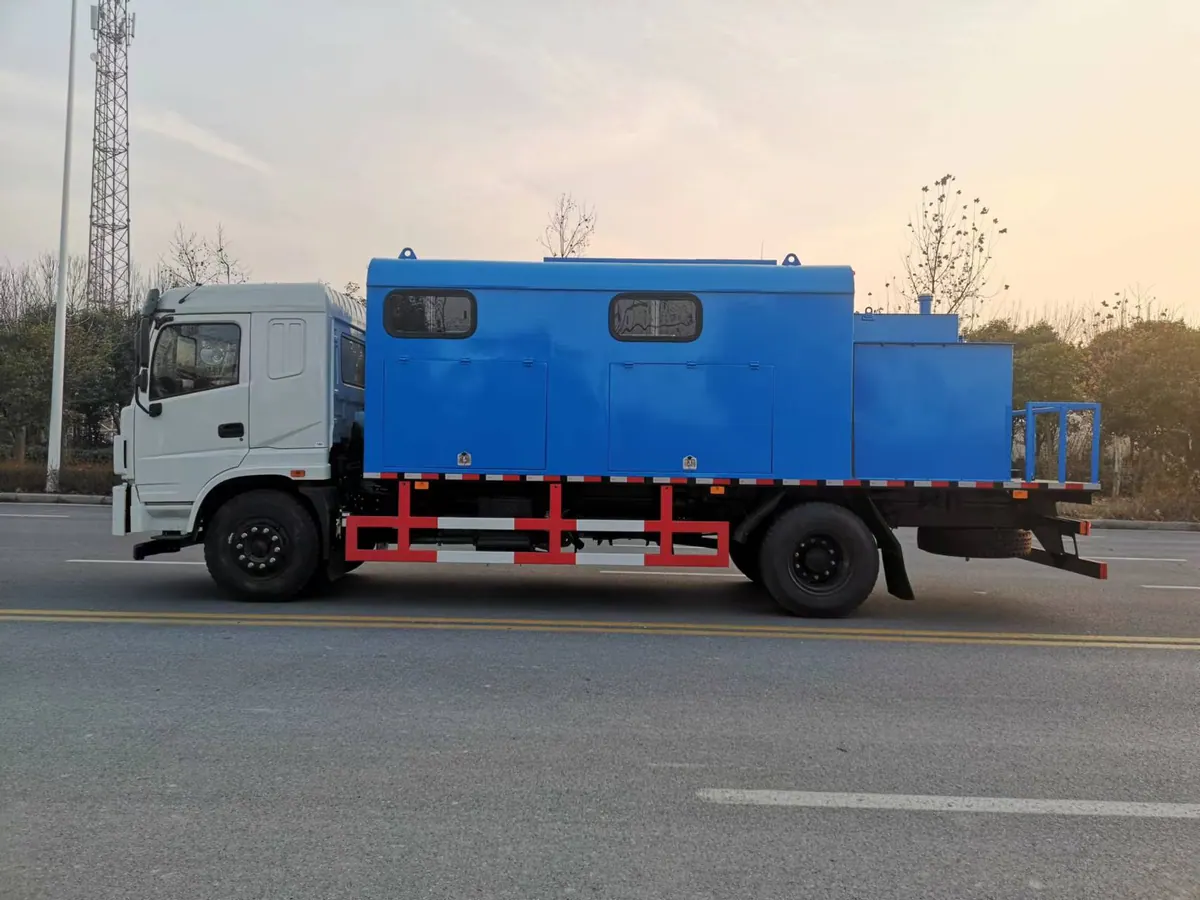
Establish the quoted configuration baseline
Record the accepted medium, heating duty, carrier, installed equipment and external interfaces used for the commercial offer. Ask the bidder to identify provisional information and assumptions. Without a controlled baseline, later price comparisons can mix changes in supplied functions with normal commercial negotiation. Keep drawings, equipment lists and exclusions associated with the same revision so the purchaser knows what each quoted total actually buys.
Ask for the complete effect of a requested change
A different tank, source equipment, hose kit or cabinet can affect installation, access and vehicle loading as well as purchase cost. Request a technical and commercial impact response from the responsible suppliers. Do not assume an accessory is a simple addition because it fits into visible space. The proposal should identify dependent changes and unresolved reviews rather than leave them outside a seemingly attractive incremental price.
Revisit external interface responsibilities
Check whether the revised arrangement changes water, fuel, receiver, connection or site support requirements. A lower onboard equipment price can transfer work to the purchaser rather than remove it. Ask who supplies and accepts each affected item. Keep those changes in the comparison so an option is not ranked as cheaper while its necessary external services or installation work remain unpriced and unassigned.
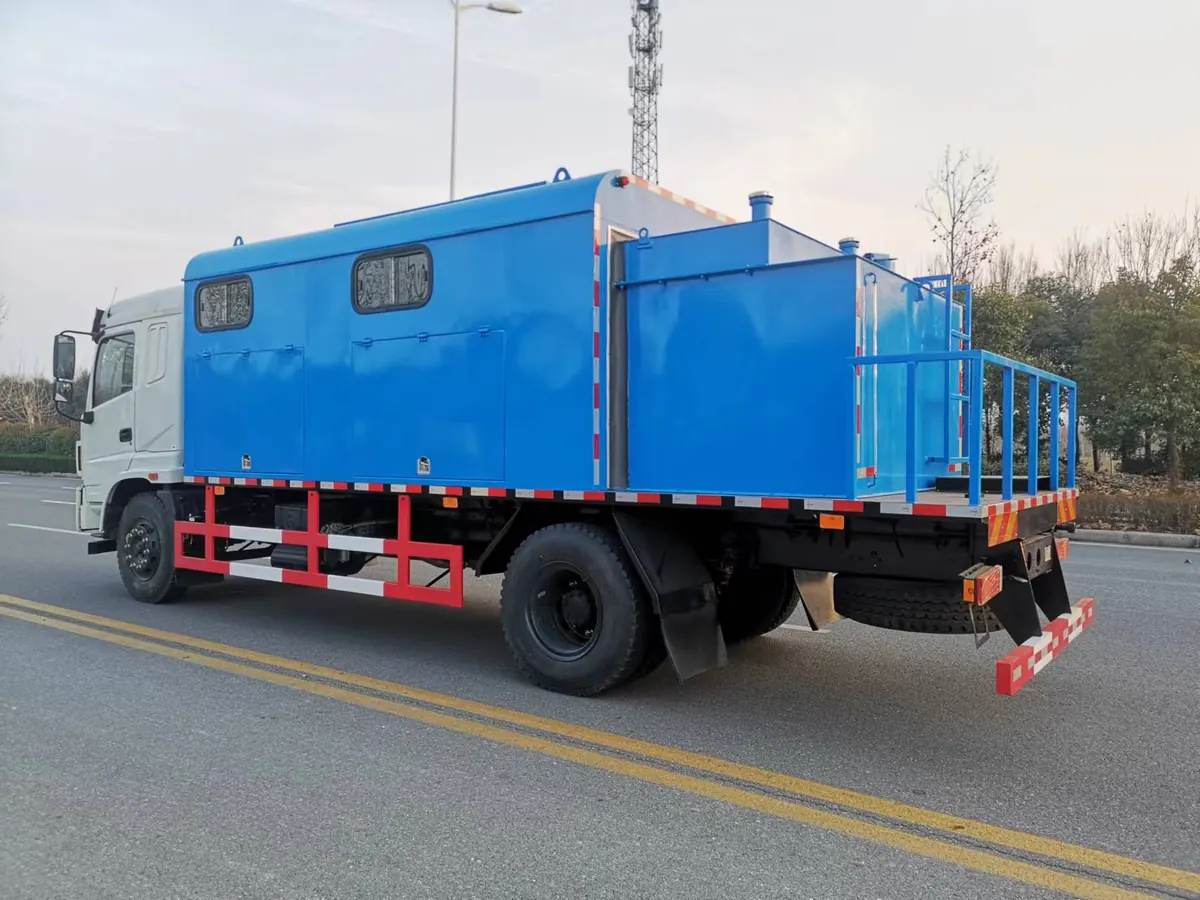
Update verification and document scope
Ask which previously accepted evidence remains relevant after the change and which checks need revision. Include installation documents, load information, component identities and appropriate demonstrations where affected. A factory test or quotation for an earlier layout is not automatically evidence for the delivered arrangement. Confirm the final record set and remaining site requirements before treating the revised price as a complete accepted truck purchase.
Agree the final technical and commercial revision
Reconcile the accepted drawings, equipment schedule, deviations, delivery responsibilities and price before award or release of a change. Keep confirmed terms distinguishable from preliminary estimates. The selected proposal should describe the final configuration and its dependencies, not rely on a broad vehicle-mounted boiler label. Later additions or substitutions need the same disciplined review rather than an informal assumption that the original carrier and heating assessment still apply.
Compare changes on equal scope, not the lowest increment
Ask each bidder to identify added equipment, deleted scope, external work and verification consequences. Use the same accepted duty and layout assumptions when assessing alternatives. A small commercial increment may conceal a significant integration dependency, while a more extensive proposal may include work the purchaser otherwise needs to arrange. Preserve those differences in the decision record. The purchase should establish a traceable final truck price and responsibility boundary, without inventing a standard market price, universal contingency percentage or guaranteed lifecycle saving for a configuration that has not yet been defined.
Put these items side by side in the bid review
| Purchase item | Question to resolve | Evidence to request |
|---|---|---|
| Baseline | Which configuration does the price cover? | Controlled technical revision |
| Impact | What changes beyond the added component? | Integration and external-scope response |
| Closure | What is the final accepted offer? | Aligned price, drawings and verification |
Suggested wording for the quotation request
Price the proposed vehicle-mounted boiler against the attached accepted configuration. For each requested option or change, identify equipment, installation, load, access and external-interface effects. State revised verification, documentation and delivery responsibilities and distinguish deleted scope from savings. Provide one reconciled final technical and commercial revision without assuming that available space or a component price establishes complete integration feasibility.
Specify the vehicle-mounted boiler as an installed heating and transport package. Keep the chosen medium, useful outlet duty, inlet conditions and working schedule with the equipment selection. Confirm how tanks, power, controls and external connections fit the carrier and accepted operating arrangement. Component maxima and reference photographs do not prove complete installed capability. Ask the responsible suppliers to identify required site services and remaining acceptance checks. Retain the final arrangement, load basis, drawings and verification records with the purchase. Relocation, commissioning and operation require the accepted equipment documents and competent site review.
For the wider equipment scope, consult the Vehicle-Mounted Boiler: Price and Cost Guide. Use the RFQ checklist to collect the supporting documents before requesting a configuration-specific quotation.
Buyer questions
Is an accessory change only a price adjustment?
Not necessarily. Review installation, loads, access, interfaces and verification where affected.
Can an earlier factory result cover every later layout?
No. Confirm which evidence remains applicable to the final accepted configuration.
Background and supplier contact
ICC Incoterms® resources offers related background, not certification of the equipment in a quotation. Applicability must be checked for the project and destination.
Explore the vehicle-mounted boiler, browse all technical resources, or visit Vance Petroleum for company information. Request a heating-package proposal with the medium, useful duty, fuel, water or fluid information and site interfaces.