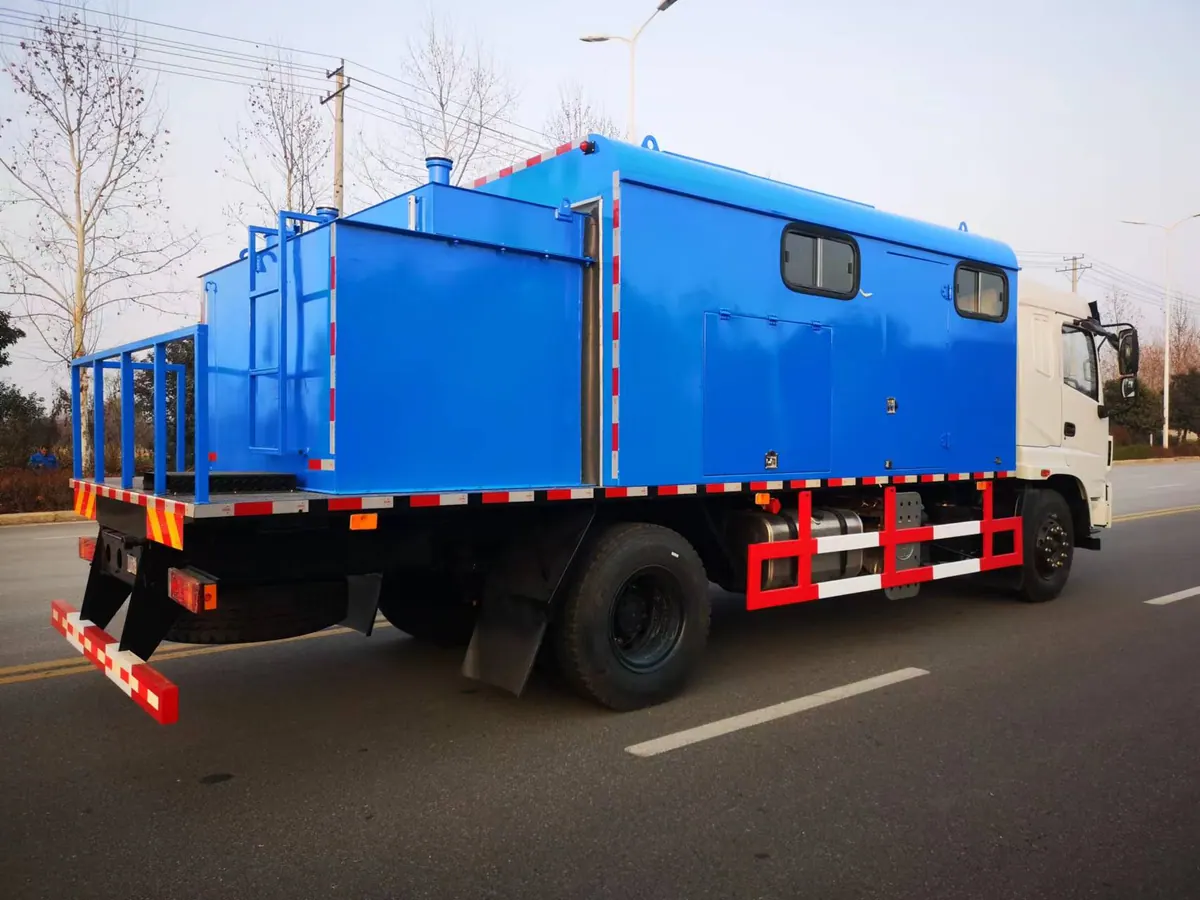
Identify the destination and accepted use
Provide the destination, intended vehicle use and selected heating configuration to the relevant suppliers and importer. Have competent local specialists identify the applicable requirements. Road acceptance and use of the installed heating equipment are not automatically the same decision. The bidder needs a defined project basis before describing which documents it can provide and what work remains with the purchaser or destination authorities.
Separate the carrier evidence
Ask the vehicle provider to identify records and configuration information available for the selected chassis and completed installation. Distinguish manufacturer information from any local approval work outside its scope. A carrier brand or previous export reference does not establish acceptance of every ordered configuration in every jurisdiction. Keep the actual installed equipment and load basis linked to the destination review rather than relying on documents for an empty or different vehicle.
Map heating-equipment requirements separately
Have the responsible boiler specialists identify the design, inspection and documentation scope needed for the chosen service and destination. Request evidence tied to the supplied equipment and its configuration. Do not infer a universal certification from a general standards label. Keep component records, installed-package checks and any specified independent inspection distinct, with confirmation of availability and scope before treating them as included contractual deliverables.
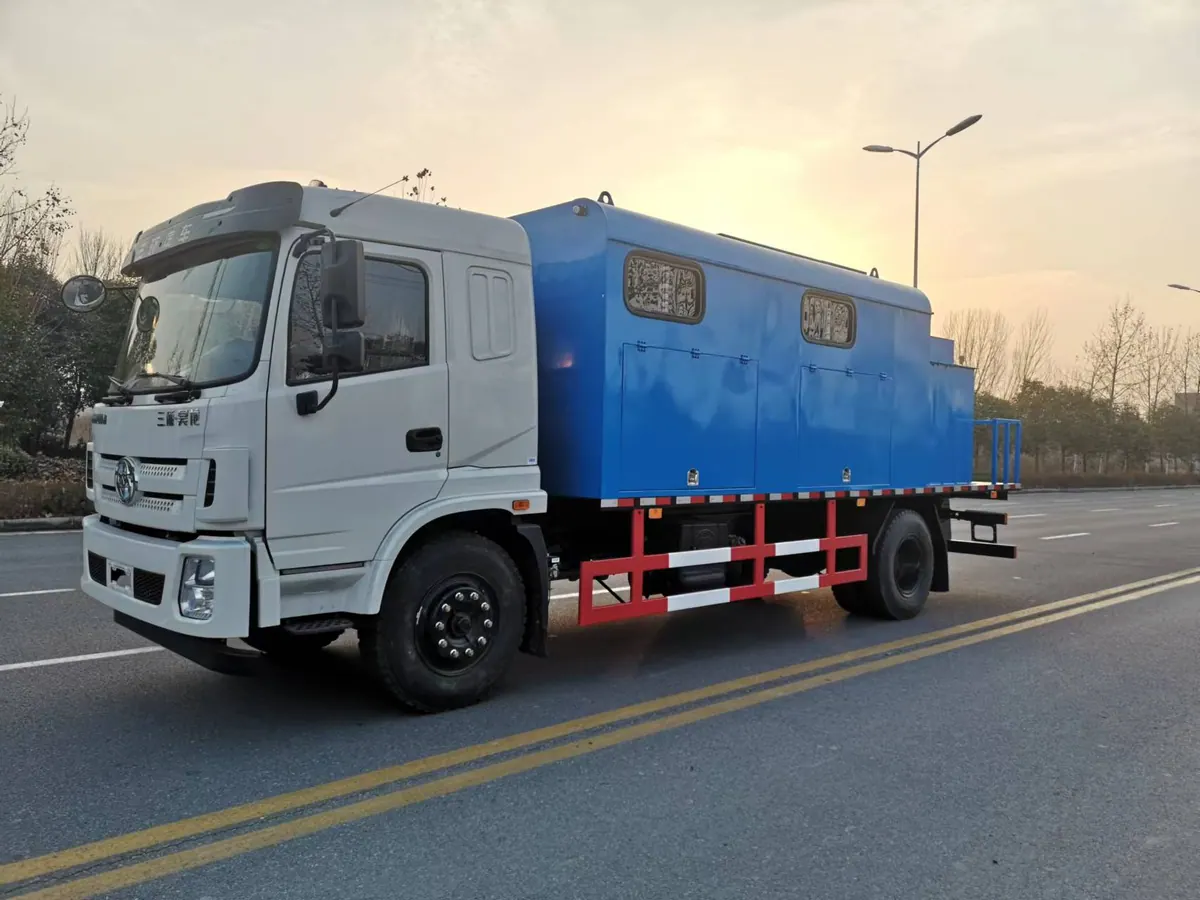
Assign coordination and missing information
Use a schedule showing who provides each record and who reviews it for the project. Ask the supplier to identify unresolved inputs that may affect selection or delivery. If the carrier and boiler evidence come from different providers, name the party coordinating the final package. This avoids receiving two individually complete document sets that leave the integration or local acceptance responsibility unowned.
Agree the handover before commercial award
Confirm document format, equipment identification, language and delivery milestones required by the receiving team. Separate quoted supplier evidence from importer activities and local charges. Keep any warranty or support terms based on the actual agreement. A broad export-ready statement should not replace a destination-specific responsibility schedule or imply guaranteed registration, pressure-equipment approval or certification of items that the supplier has not identified.
Compare evidence by the decision it supports
A useful bid review links each requirement to the equipment, supplied record, responsible provider and destination reviewer. Ask what remains provisional and what could change the configuration. More certificates do not automatically mean that the critical vehicle or boiler requirement is covered. The accepted purchase should establish a realistic document and review path, with commercial responsibility for missing scope clarified. It should not promise universal legal acceptance, equate a component mark with approval of the entire truck or treat a prior shipment to another destination as proof that the current project has no further requirements.
Put these items side by side in the bid review
| Purchase item | Question to resolve | Evidence to request |
|---|---|---|
| Carrier | Which completed-vehicle records are supplied? | Configuration-linked vehicle schedule |
| Heating | Which boiler and inspection evidence is required? | Accepted technical document scope |
| Coordination | Who closes destination review gaps? | Named supply and review responsibilities |
Suggested wording for the quotation request
Respond to the attached destination requirements with separate carrier, installed heating-equipment and integration document schedules. Identify the supplied configuration, available evidence, required purchaser inputs and local acceptance work outside your scope. State any independent inspection and commercial dependencies explicitly. Agree document delivery and coordination before award rather than relying on a blanket export or universal certification statement.
Specify the vehicle-mounted boiler as an installed heating and transport package. Keep the chosen medium, useful outlet duty, inlet conditions and working schedule with the equipment selection. Confirm how tanks, power, controls and external connections fit the carrier and accepted operating arrangement. Component maxima and reference photographs do not prove complete installed capability. Ask the responsible suppliers to identify required site services and remaining acceptance checks. Retain the final arrangement, load basis, drawings and verification records with the purchase. Relocation, commissioning and operation require the accepted equipment documents and competent site review.
For the wider equipment scope, consult the Vehicle-Mounted Boiler Manufacturer Guide. Use the RFQ checklist to collect the supporting documents before requesting a configuration-specific quotation.
Buyer questions
Does vehicle acceptance automatically approve the boiler installation?
Do not assume this. Confirm the applicable destination review paths and evidence separately.
Does a component certificate approve the entire mobile package?
No. Check the equipment identity, configuration and exact scope it covers.
Background and supplier contact
ICC Incoterms® resources offers related background, not certification of the equipment in a quotation. Applicability must be checked for the project and destination.
Explore the vehicle-mounted boiler, browse all technical resources, or visit Vance Petroleum for company information. Request a heating-package proposal with the medium, useful duty, fuel, water or fluid information and site interfaces.