Identify the supplied assembly
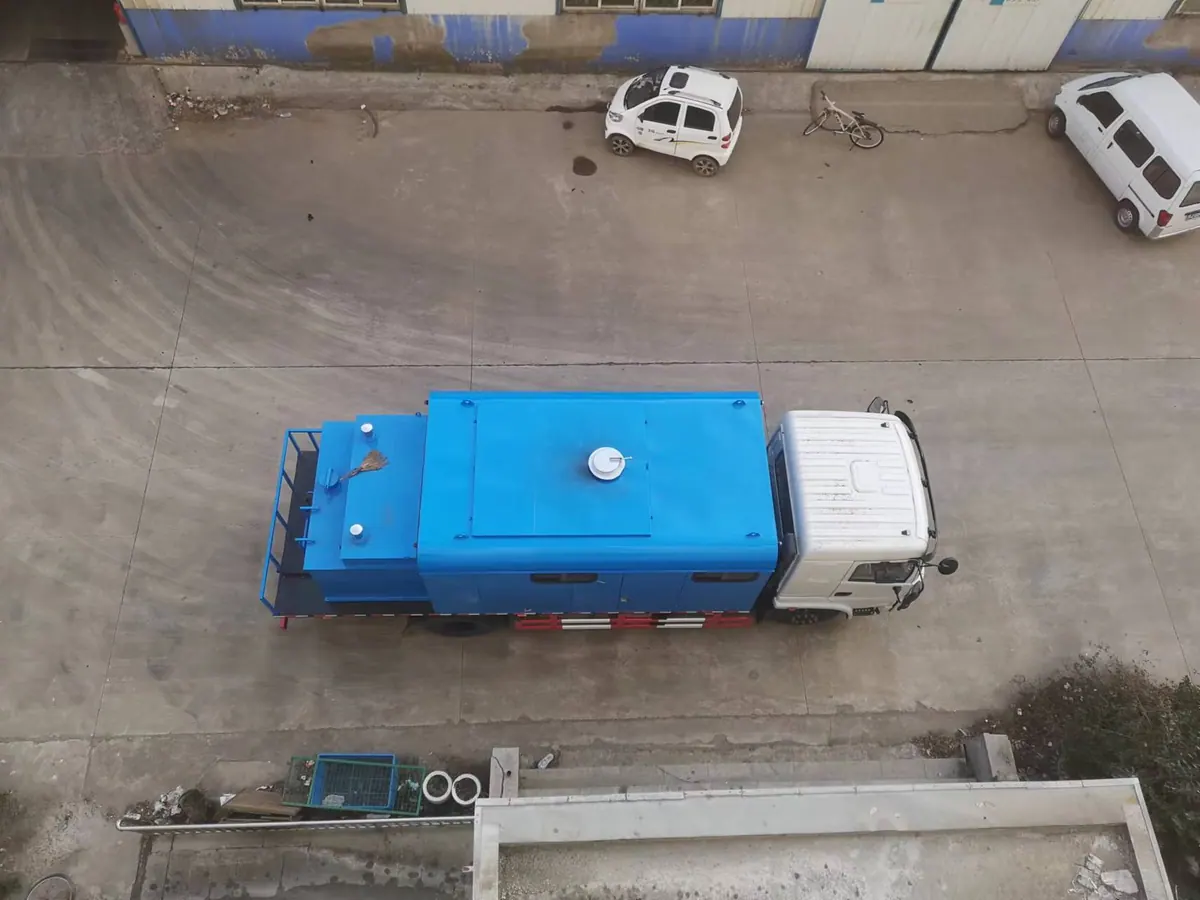
Ask each bidder to identify the carrier, installed heating equipment and auxiliaries included in its offer. Distinguish a completed truck from equipment intended for installation on a purchaser vehicle. Both can be valid purchases, but they have different integration responsibilities. Request an arrangement drawing and equipment list so the comparison does not depend on a reference photograph or the assumption that every item visible in a catalogue is supplied.
Connect the thermal duty to the vehicle
State the chosen heating medium, inlet and required outlet conditions, flow and working schedule. Ask the supplier to explain how the proposed boiler or heater supports that assignment within the installed arrangement. Vehicle mobility does not establish useful thermal performance, while a standalone heating rating does not prove that the required tanks, power and controls are integrated on the offered carrier. Review both functions before accepting the package description.
List auxiliaries and external dependencies
Identify fuel, water or circulating-fluid storage, pumps, conditioning equipment, power and controls actually included. Ask what must be provided at the site before the truck can perform the agreed duty. A mobile unit may still depend on replenishment, distribution or receiving equipment outside the supply. Keep those services visible instead of treating the words self-contained as confirmation that every utility and process interface is available onboard for an entire campaign.
Assign installation and verification responsibility
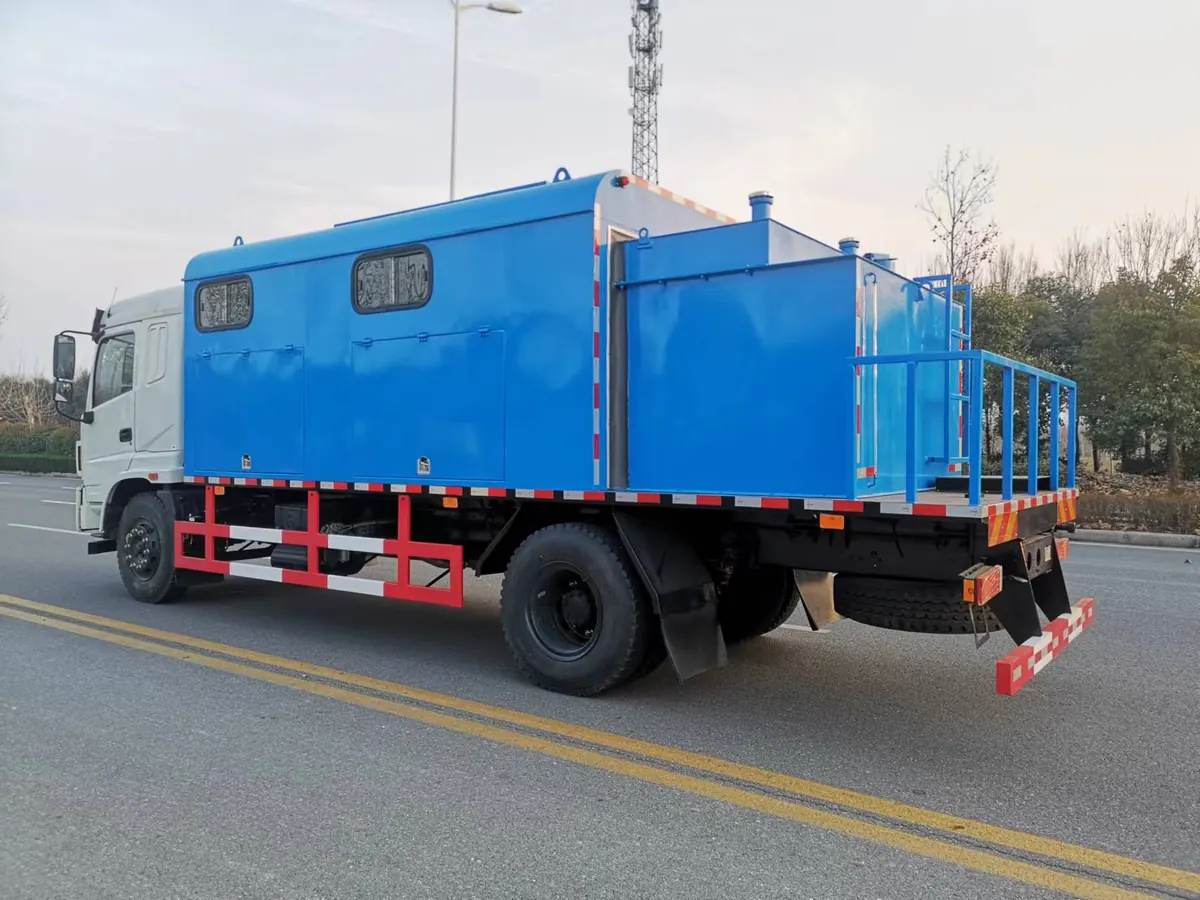
Request a named responsibility for the boiler installation, carrier interfaces, load assessment and completed-vehicle checks. If several providers participate, ask who resolves gaps between their documents. A component test can support part of the review but does not automatically establish the performance or acceptance of the assembled truck. Agree evidence covering the actual installed configuration and identify the site checks that cannot be completed before shipment.
Keep the accepted scope with the price
Reconcile equipment lists, drawings, exclusions and optional items before comparing commercial totals. Confirm whether destination work, local acceptance, site connection and operator support are included or separately arranged. Retain the final technical baseline with the order so later changes to tanks, carrier or heating duty receive a clear response. This avoids comparing an equipment-only offer with a completed vehicle as though their prices and remaining purchaser responsibilities were identical.
Use a supply-boundary schedule in the bid review
A practical comparison separates the carrier, heating module, onboard auxiliaries, installation, documentation and site services. Ask each supplier to mark what it provides and what it assumes another party will supply. Obtain the supporting responses before assigning a complete project price or readiness expectation. A reference boiler capacity or vehicle image cannot fill an unowned interface. The accepted purchase should identify a usable configuration and its dependencies, without promising unlimited autonomy, universal heating media, instant deployment or complete destination approval from the product category alone.
Put these items side by side in the bid review
| Purchase item | Question to resolve | Evidence to request |
|---|---|---|
| Assembly | Completed truck or installation package? | Equipment and responsibility schedule |
| Duty | Which medium and outlet service are accepted? | Configuration-specific thermal response |
| Acceptance | Who verifies the integrated vehicle? | Agreed installed-package checks |
Suggested wording for the quotation request
Quote the vehicle-mounted boiler as an identified installed assembly for the attached heating duty. List the carrier, boiler or heater, tanks, power, controls and connection equipment. Separate purchaser-supplied items and external utilities. Identify integration, documentation and acceptance responsibilities, with alternatives and exclusions priced clearly. State remaining inputs and site checks rather than assuming a module rating establishes complete truck capability.
Specify the vehicle-mounted boiler as an installed heating and transport package. Keep the chosen medium, useful outlet duty, inlet conditions and working schedule with the equipment selection. Confirm how tanks, power, controls and external connections fit the carrier and accepted operating arrangement. Component maxima and reference photographs do not prove complete installed capability. Ask the responsible suppliers to identify required site services and remaining acceptance checks. Retain the final arrangement, load basis, drawings and verification records with the purchase. Relocation, commissioning and operation require the accepted equipment documents and competent site review.
For the wider equipment scope, consult the Vehicle-Mounted Boiler: Configuration Guide. Use the RFQ checklist to collect the supporting documents before requesting a configuration-specific quotation.
Buyer questions
Is an equipment-only quotation equivalent to a complete truck price?
No. Align installation, carrier, auxiliaries and remaining purchaser work before comparing totals.
Does a mobile package need external services?
It may. Confirm the actual supply, replenishment and receiving-system dependencies.
Background and supplier contact
OSHA oil and gas extraction guidance offers related background, not certification of the equipment in a quotation. Applicability must be checked for the project and destination.
Explore the vehicle-mounted boiler, browse all technical resources, or visit Vance Petroleum for company information. Request a heating-package proposal with the medium, useful duty, fuel, water or fluid information and site interfaces.