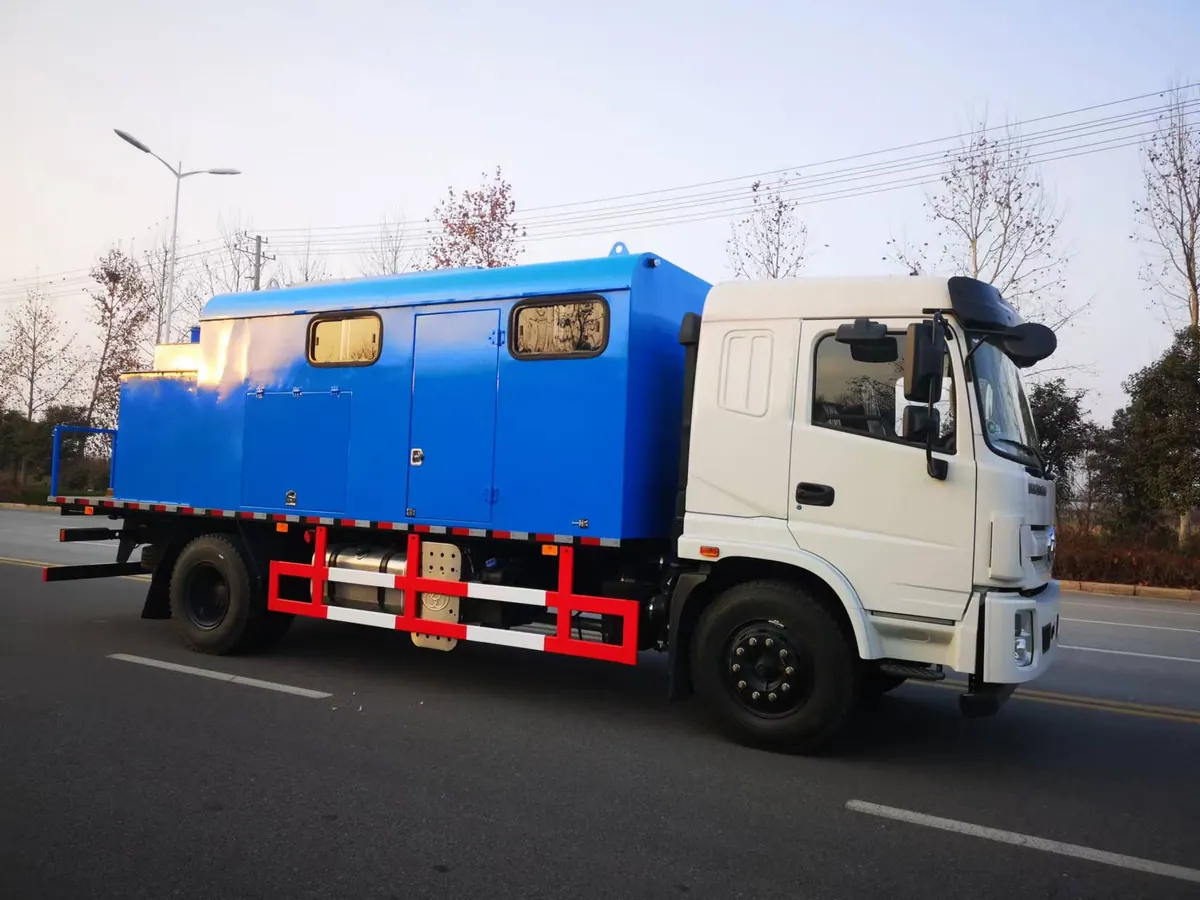
Provide the installed equipment arrangement
Identify the boiler or heater, tanks, power equipment and other items proposed for the vehicle. Ask for their positions and relevant installation information in the supplier arrangement. The purchaser should not infer a mounting solution from available deck length alone. Equipment placement affects more than physical fit, and a drawing of an empty carrier does not establish that the final heating package can be installed in the same way.
Identify the integration design responsibility
Ask which provider is responsible for the subframe, supports and interfaces with the chosen chassis. Request the documents and manufacturer information needed for that review. Where the carrier and boiler come from different suppliers, make the information exchange explicit. Do not let each party assume the other has accepted the installation. The purchase should identify who evaluates the complete arrangement and how qualifications or required modifications are resolved.
Separate operating and transport conditions
Provide the accepted working and travel configurations, including the stated contents of onboard tanks and separately transported equipment. Ask the responsible supplier to explain the cases covered by the installation assessment. A mounting arrangement suitable for a stationary demonstration is not automatically evidence for road transport with the final load. Keep temporary shipment supports distinguishable from permanent installed supports so their roles are not confused during delivery and commissioning.
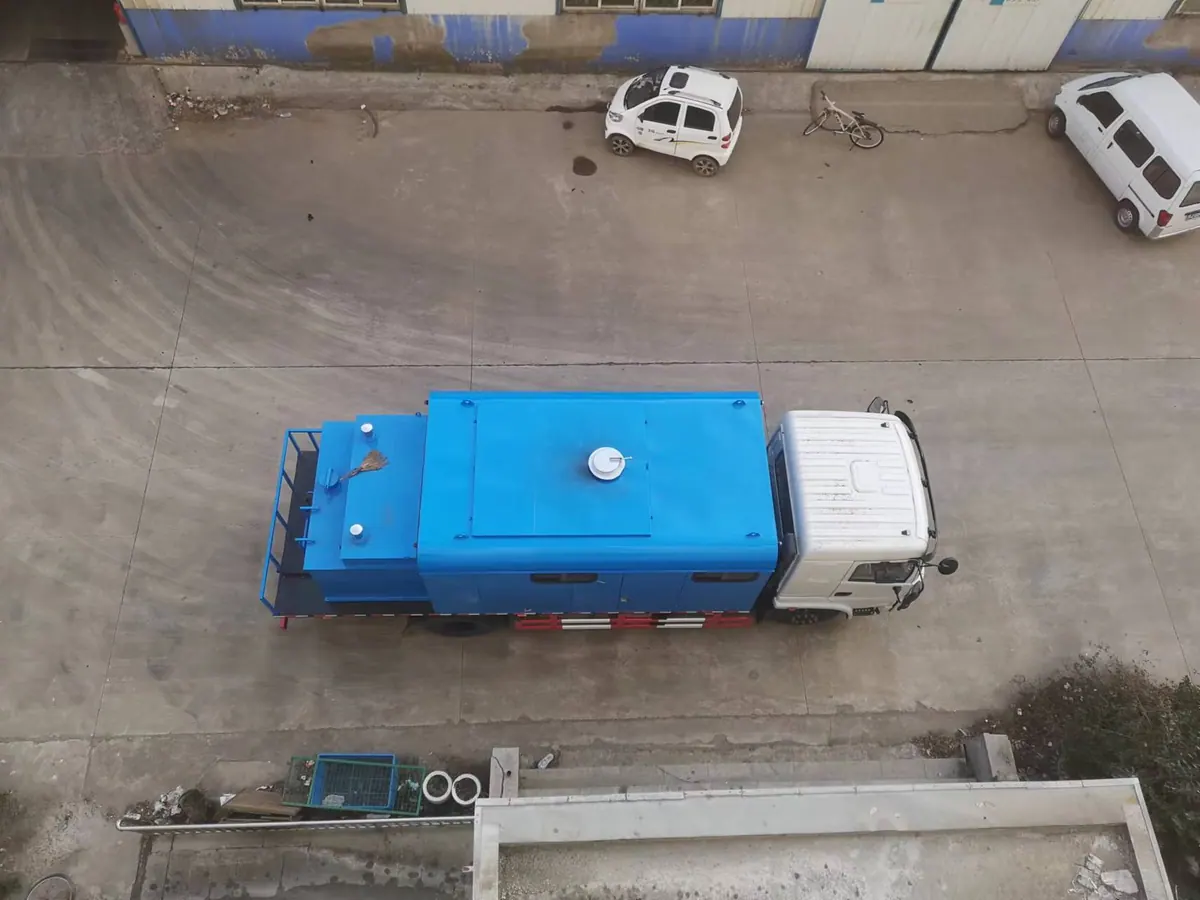
Review access and connected equipment together
Ask how the installation accommodates service access, equipment removal and relevant piping, cable and other connections. A support change can affect those interfaces even if the main equipment remains in its original position. Have the supplier identify the restrictions and review dependencies before accepting a revised arrangement. Procurement should obtain configuration-specific evidence rather than prescribe a generic bracket, mounting spacing or structural modification without the responsible engineering assessment.
Agree completion records and change control
Request the final arrangement, relevant installation documents and agreed inspection evidence for the completed vehicle. Identify deviations from the accepted design and the process for approving later equipment changes. Retain this information with the boiler and carrier records. A replacement tank, heavier auxiliary or relocated module may require renewed review; the original subframe approval should not be treated as permission to add arbitrary loads or modify the installation informally.
Compare integration scope rather than visible steelwork
Ask bidders to identify the design, fabrication, installation and verification activities included in their offers. A more substantial-looking frame does not itself establish a better-supported solution, and a lower installation price may omit coordination with the carrier provider. Review the supporting information with the competent purchaser team. The accepted agreement should describe who substantiates the actual equipment arrangement, which operating and transport cases are covered and what remains outside the assessment. It should not invent structural capacity, universal chassis compatibility or approval of future alterations merely because a boiler can be placed on the vehicle.
Put these items side by side in the bid review
| Purchase item | Question to resolve | Evidence to request |
|---|---|---|
| Design | Who owns the installed interface assessment? | Named integration responsibility |
| Cases | Which transport and working loads are covered? | Accepted arrangement basis |
| Changes | What requires renewed review? | Controlled installation documents |
Suggested wording for the quotation request
Provide the subframe and mounting proposal for the attached carrier and heating equipment arrangement. Identify design responsibility, required manufacturer inputs and the transport and operating cases assessed. Include service-access and connected-equipment interfaces, completion records and change restrictions. Distinguish shipment supports from permanent installation and disclose any chassis modification or supplier coordination that remains outside the quoted scope.
Specify the vehicle-mounted boiler as an installed heating and transport package. Keep the chosen medium, useful outlet duty, inlet conditions and working schedule with the equipment selection. Confirm how tanks, power, controls and external connections fit the carrier and accepted operating arrangement. Component maxima and reference photographs do not prove complete installed capability. Ask the responsible suppliers to identify required site services and remaining acceptance checks. Retain the final arrangement, load basis, drawings and verification records with the purchase. Relocation, commissioning and operation require the accepted equipment documents and competent site review.
For the wider equipment scope, consult the Vehicle-Mounted Boiler: Commissioning Guide. Use the RFQ checklist to collect the supporting documents before requesting a configuration-specific quotation.
Buyer questions
Does available deck space prove installation suitability?
No. Review the complete mounting, load and interface arrangement with the responsible suppliers.
Can later equipment additions rely on the original mounting review?
Only if the responsible provider confirms they remain within the accepted basis.
Background and supplier contact
OSHA oil and gas extraction guidance offers related background, not certification of the equipment in a quotation. Applicability must be checked for the project and destination.
Explore the vehicle-mounted boiler, browse all technical resources, or visit Vance Petroleum for company information. Request a heating-package proposal with the medium, useful duty, fuel, water or fluid information and site interfaces.