List the service tasks that need access
Ask the supplier to identify routine inspection and maintenance tasks for the actual boiler, burner, pumps, controls and other supplied equipment. Include relevant manufacturer requirements rather than assuming every component can be serviced from the same side. The purchaser needs a realistic task list to assess the arrangement. An attractive compact layout is not enough if it does not explain how personnel reach the equipment under the accepted maintenance conditions.
Request access information on the arrangement
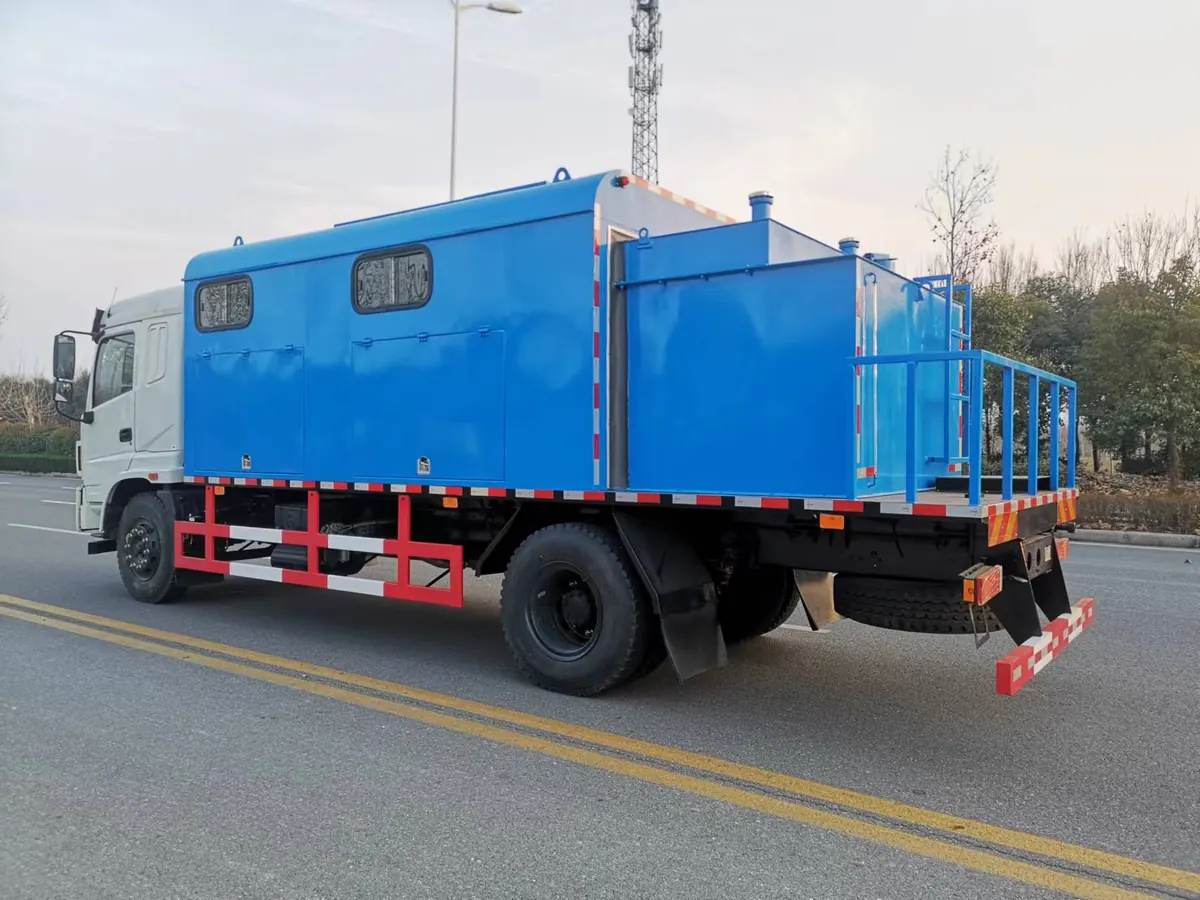
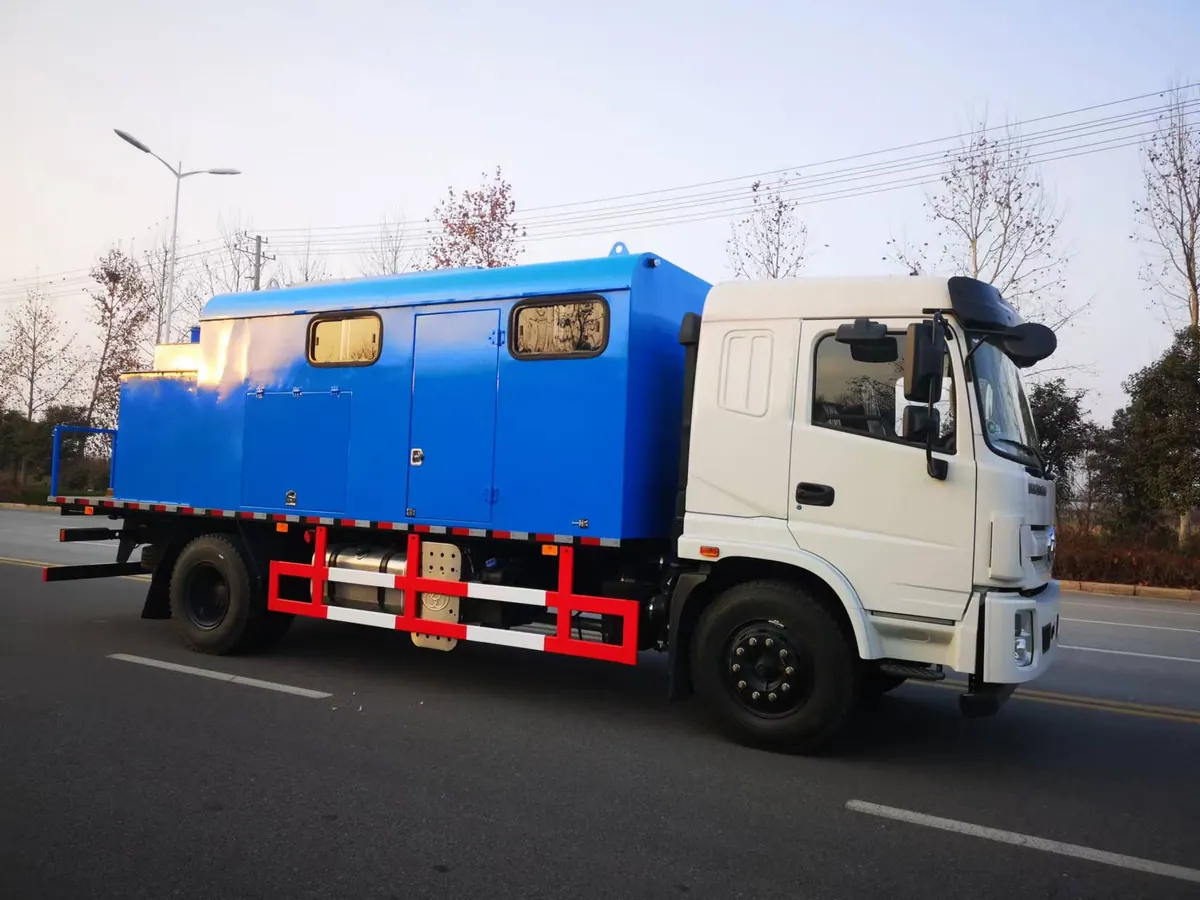
Have the bidder show doors, panels, service positions and any space needed outside the vehicle. Distinguish operating access from access needed when equipment is isolated for maintenance. A closed-door transport drawing can conceal the footprint of open panels or removed parts. Review the proposed arrangement against the purchaser’s available workshop and site conditions before assuming the truck can be serviced wherever it can be parked.
Check removal paths for selected components
Ask which items require movement, disconnection or external handling to remove a component. Identify any special equipment or purchaser resources needed by the accepted service method. Do not assume a modular label means unrestricted removal of every assembly. The relevant supplier documents should explain the proposed access and limitations without substituting an improvised lifting instruction or an unsupported promise that major work can always be completed at the wellsite.
Include piping and cable interfaces
Review the installed connections around service points with the responsible providers. A later hose reel, storage box or control cabinet can obstruct an originally acceptable access route. Ask how those changes will be reviewed and documented. Keep equipment isolation and safe work requirements within the approved operating and maintenance documents; a purchasing layout review should establish available access, not authorize maintenance while equipment remains energized or under pressure.
Confirm the finished vehicle before handover
Agree which access and identification checks will be performed on the completed installation. Include any purchaser-added equipment represented in the accepted design. Retain relevant drawings and manufacturer service information with the handover set. If the delivered arrangement differs from the proposal, resolve the impact explicitly rather than relying on a reference photograph. The receiving maintenance team should know what is accessible onboard and what requires external facilities or specialist support.
Compare maintainability on the same task basis
Have each bidder answer the same service-task schedule with the installed equipment identities and access provisions stated. Include external space, removal resources and destination support where relevant. A larger package is not automatically easier to maintain, and fewer visible panels do not prove simpler service. Record the actual trade-offs rather than assigning value to an unverified easy-maintenance claim. The accepted layout should support identified work through the appropriate documents and resources, while making clear that local workshop capability, isolation procedures and specialist repairs remain separately reviewed responsibilities.
Put these items side by side in the bid review
| Purchase item | Question to resolve | Evidence to request |
|---|---|---|
| Tasks | Which service points need access? | Configuration-specific task schedule |
| Space | What extends beyond the parked truck? | Working and maintenance layout |
| Removal | What external resources are needed? | Supplier access and removal basis |
Suggested wording for the quotation request
Show the maintenance access arrangement for the proposed vehicle-mounted boiler and installed auxiliaries. Identify routine service points, panel openings, component-removal paths and external space or handling resources. Include relevant manufacturer documents and a finished-installation access check. State restrictions and the effect of optional storage or connection equipment so the purchaser can compare maintainability against the actual site and workshop conditions.
Specify the vehicle-mounted boiler as an installed heating and transport package. Keep the chosen medium, useful outlet duty, inlet conditions and working schedule with the equipment selection. Confirm how tanks, power, controls and external connections fit the carrier and accepted operating arrangement. Component maxima and reference photographs do not prove complete installed capability. Ask the responsible suppliers to identify required site services and remaining acceptance checks. Retain the final arrangement, load basis, drawings and verification records with the purchase. Relocation, commissioning and operation require the accepted equipment documents and competent site review.
For the wider equipment scope, consult the Vehicle-Mounted Boiler: Maintenance Guide. Use the RFQ checklist to collect the supporting documents before requesting a configuration-specific quotation.
Buyer questions
Does modular construction guarantee easy field replacement?
No. Confirm actual removal paths, resources and manufacturer requirements for the selected equipment.
Should open panels appear in the site-space review?
Yes. Operating and maintenance footprints can differ from transport dimensions.
Background and supplier contact
OSHA oil and gas extraction guidance offers related background, not certification of the equipment in a quotation. Applicability must be checked for the project and destination.
Explore the vehicle-mounted boiler, browse all technical resources, or visit Vance Petroleum for company information. Request a heating-package proposal with the medium, useful duty, fuel, water or fluid information and site interfaces.