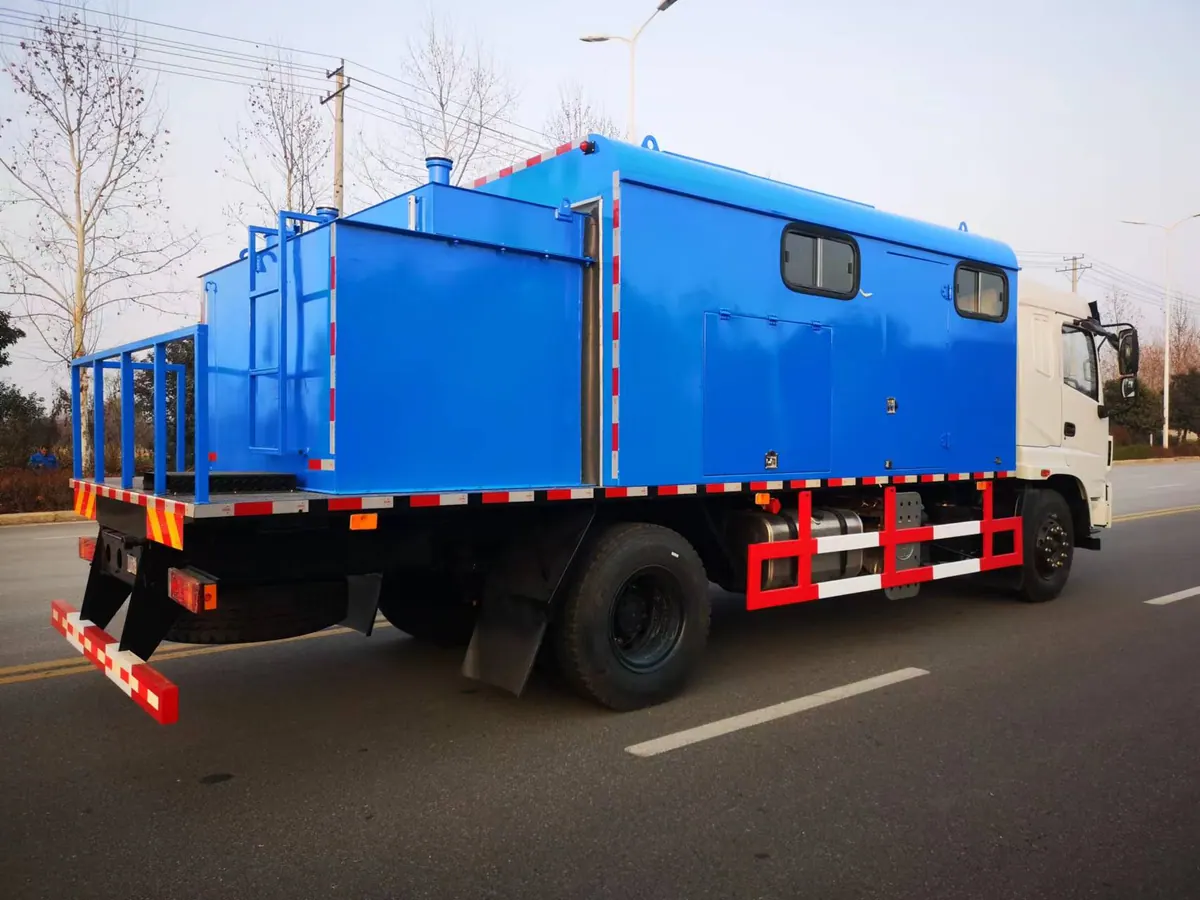
Define the interval between heating assignments
Describe whether the truck moves directly to another site, waits outdoors or enters longer storage. Provide relevant environmental conditions and the selected heating medium. These cases can require different supplier provisions and purchaser resources. The order should identify the intended relocation and storage pattern rather than assume that any shutdown leaves the vehicle in an accepted transport or preservation condition.
Request the configuration-specific requirements
Ask the responsible equipment supplier to identify relevant drainage, retention and preservation requirements for the actual installed system. Keep instructions tied to the chosen boiler or heater, tanks and auxiliaries. Steam, hot-water and other fluid arrangements are not presumed to use the same method. Procurement should obtain the appropriate documents and access provisions without inventing a universal draining sequence or authorizing work on hot or pressurized equipment.
Review installed access and collection boundaries
Ask how the proposed layout provides access to the points required by the accepted documents. Identify external collection, containment or disposal responsibilities where needed. An accessible drain connection does not establish an acceptable destination for the discharged contents. Keep the receiving and environmental requirements with the responsible site team rather than treating roadside drainage or release at the next location as a standard vehicle feature.
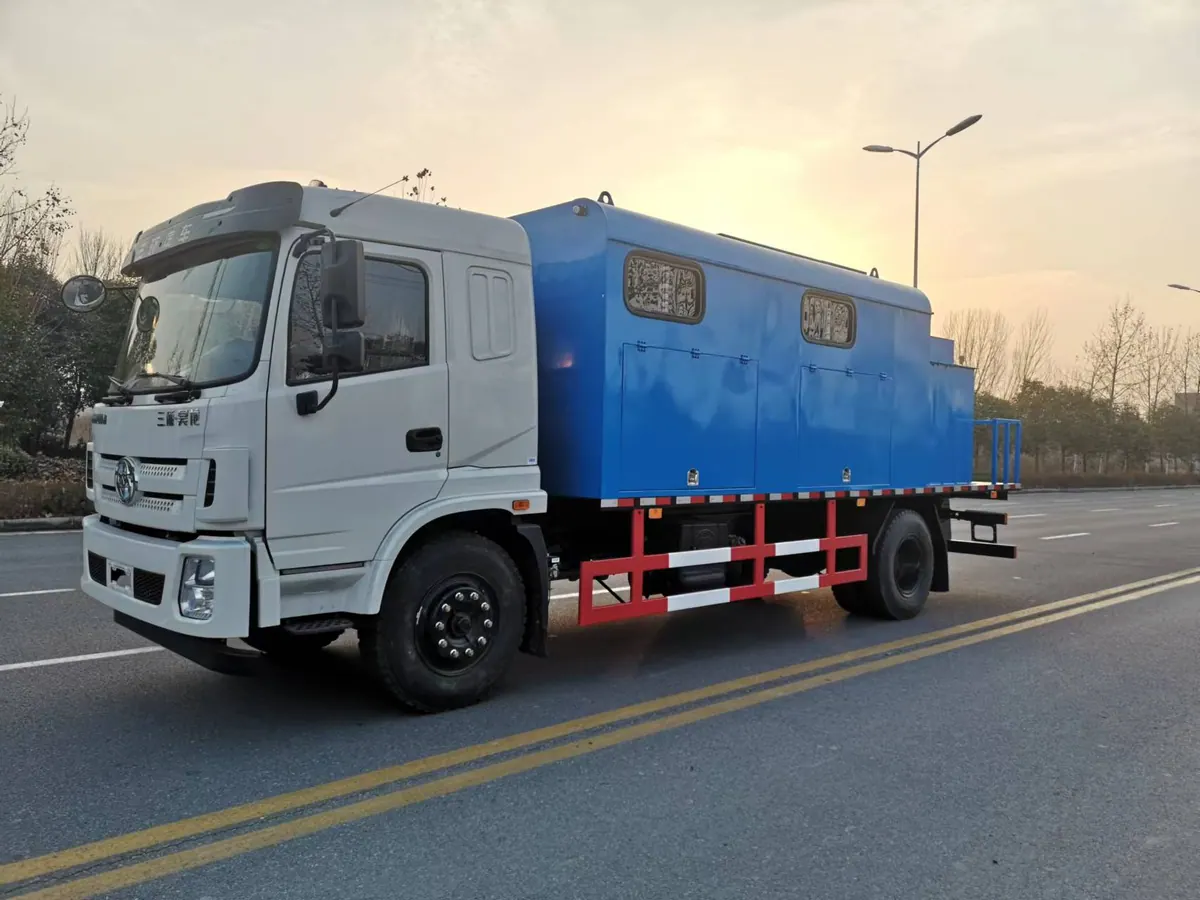
Consider exposure during transport and waiting
Provide expected cold, heat, dust and other relevant conditions for supplier assessment. Ask which protections or restrictions apply to retained fluids, instruments and external connection equipment. A winter option may not cover every storage or travel case. Keep the evidence and assumptions explicit so procurement does not convert a broad ambient rating into a guarantee that the parked or transported truck can be left in any condition indefinitely.
Agree handover records for repeated moves
Request documentation identifying the accepted condition and checks relevant before the next assignment. Ask who is responsible for inspection, preservation supplies and any specialist work. Changes in medium, location or storage duration may require review. Retain the actual equipment identities and restrictions with the vehicle rather than relying on a generic mobile-boiler checklist that was written for another arrangement or a different campaign pattern.
Compare relocation provisions before accepting rapid-deployment claims
Ask bidders to explain the resources, access and accepted preparation conditions behind their mobility statements. A short driving distance does not remove the need to manage the actual equipment and fluids appropriately. Include purchaser-side collection, storage and inspection work in the planning comparison. The accepted package should describe supportable relocation and preservation provisions, without promising a fixed turnaround time, universal freeze protection or readiness immediately after arrival. Competent personnel and the approved equipment and site documents govern the work; the purchase review establishes the required scope rather than a substitute field procedure.
Put these items side by side in the bid review
| Purchase item | Question to resolve | Evidence to request |
|---|---|---|
| Pattern | Direct move, waiting or storage? | Accepted campaign and exposure cases |
| Equipment | What condition is required before transport? | Supplier-specific documents |
| Resources | What remains external site scope? | Collection and preservation responsibilities |
Suggested wording for the quotation request
Provide relocation and preservation provisions for the attached medium, campaign pattern and environmental cases. Identify configuration-specific drainage or retention requirements, relevant access points and documentation. State external collection, storage and specialist resources and the checks required before the next assignment. Distinguish supported equipment provisions from actual field procedures and avoid universal turnaround or weather-readiness guarantees.
Specify the vehicle-mounted boiler as an installed heating and transport package. Keep the chosen medium, useful outlet duty, inlet conditions and working schedule with the equipment selection. Confirm how tanks, power, controls and external connections fit the carrier and accepted operating arrangement. Component maxima and reference photographs do not prove complete installed capability. Ask the responsible suppliers to identify required site services and remaining acceptance checks. Retain the final arrangement, load basis, drawings and verification records with the purchase. Relocation, commissioning and operation require the accepted equipment documents and competent site review.
For the wider equipment scope, consult the Vehicle-Mounted Boiler: Remote Field Guide. Use the RFQ checklist to collect the supporting documents before requesting a configuration-specific quotation.
Buyer questions
Does shutdown automatically establish a transport-ready condition?
No. Follow the requirements for the actual installed equipment and accepted travel case.
Does a drain connection authorize discharge at any location?
No. The site must provide an accepted collection and environmental handling arrangement.
Background and supplier contact
OSHA oil and gas extraction guidance offers related background, not certification of the equipment in a quotation. Applicability must be checked for the project and destination.
Explore the vehicle-mounted boiler, browse all technical resources, or visit Vance Petroleum for company information. Request a heating-package proposal with the medium, useful duty, fuel, water or fluid information and site interfaces.