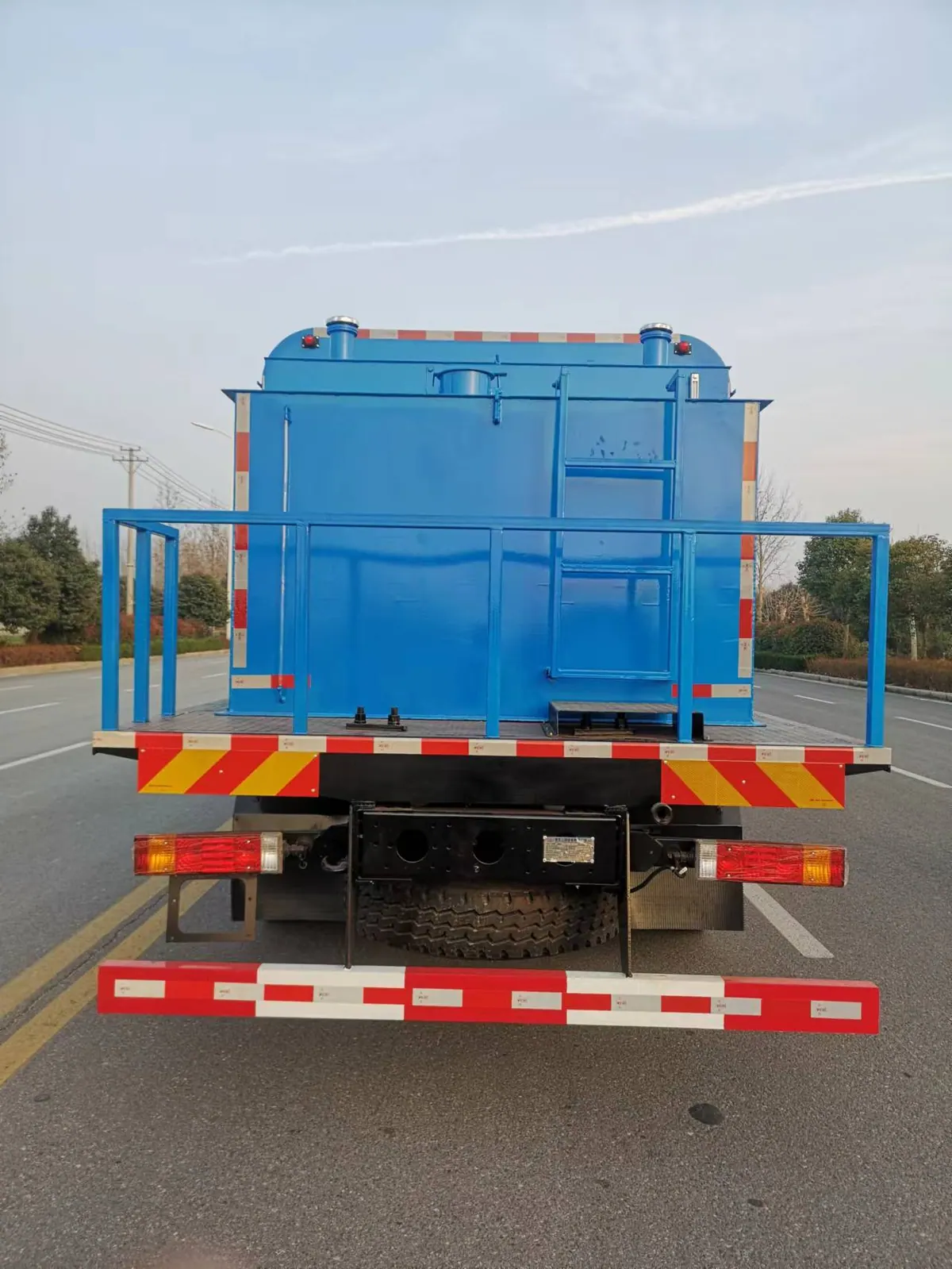
Define the shipment condition
Ask the supplier to identify the vehicle and installed equipment represented by quoted dimensions and weight. Include the agreed tank-content condition and any items carried separately. A reference completed-vehicle size may differ from the actual shipping arrangement. The purchaser and logistics provider need a configuration-specific basis before assessing transport options, route constraints or handling requirements for the selected mobile heating package.
List equipment removed or shipped loose
Request an itemized list of accessories, connection kits and any assemblies removed for shipment. Identify why their shipment state differs from the operating configuration and how they are packaged. Do not infer the complete delivered scope from a single vehicle photograph. Loose items can affect total shipping volume and receiving work even when the apparent dimensions of the main truck remain unchanged.
Assign removal and reassembly responsibilities
Ask who is authorized and equipped to perform any required work before and after shipment. Obtain the relevant supplier instructions and acceptance requirements. A removable item is not necessarily intended for informal purchaser installation. Keep reassembly, interface checks and any specialist resources explicit in the commercial scope rather than assuming that unloading automatically restores the vehicle to its factory-demonstrated condition.
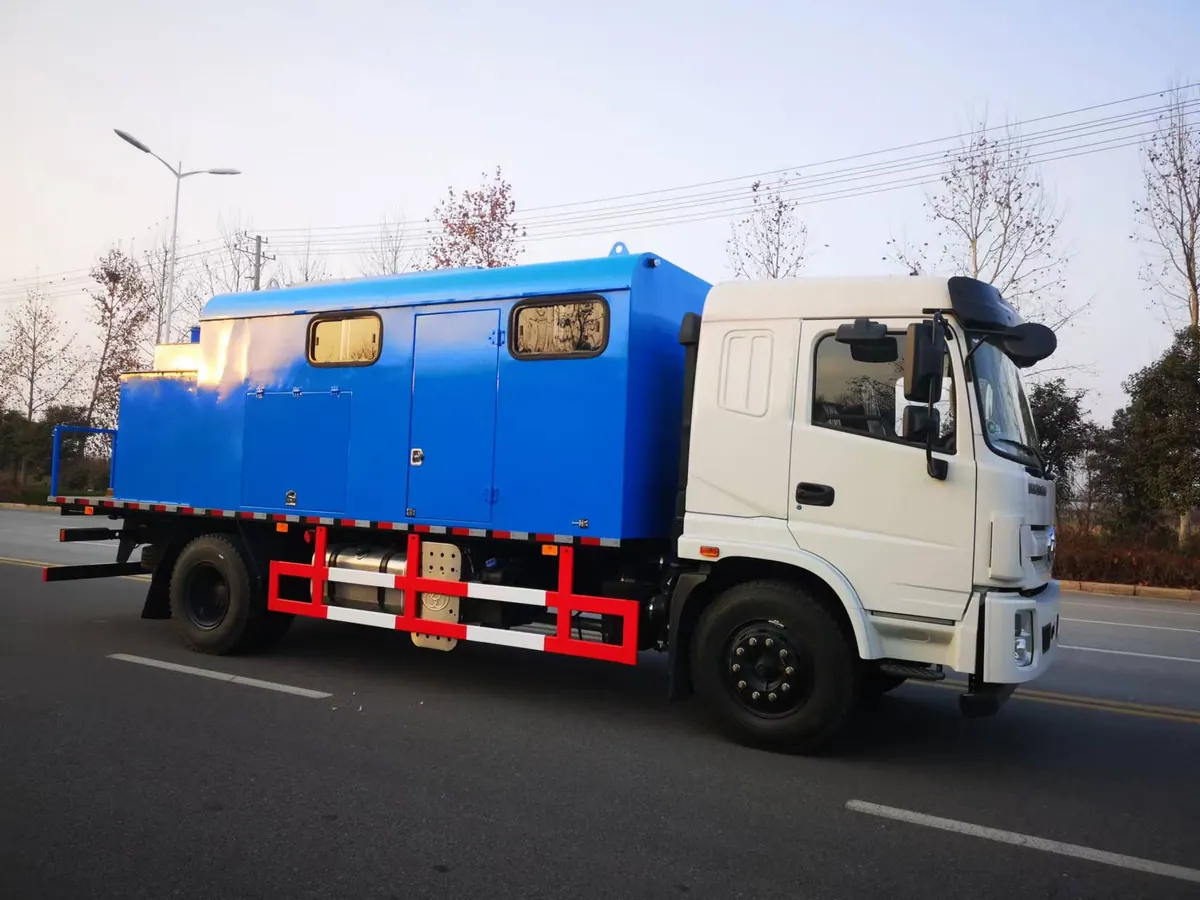
Review logistics with current project information
Have the responsible logistics and destination specialists assess the actual shipment dimensions, load and route information. Ask what documents and preparation are required from the supplier. Do not promise a particular transport method or universal fit from a catalogue vehicle size. Keep delivery terms, handling responsibilities and uncertain destination costs distinguishable so a quote for shipping the truck is not mistaken for every receiving and local acceptance activity.
Control configuration changes before dispatch
Require a revised shipping response if equipment position, carrier, connection storage or shipment state changes. Confirm the final packing list and relevant vehicle information against the accepted order. Retain photographs and identification records appropriate to the agreed handover. A late accessory addition can affect more than its purchase price, so the shipping basis should not remain tied to an earlier reference build after the installed package has changed.
Compare total shipment and receiving scope
Ask each bidder to identify the main vehicle, loose packages, preparation, reassembly and remaining site checks included in its delivered scope. Reconcile those items with the logistics quotation and purchaser resources. A smaller main-vehicle envelope can still require additional packages and receiving work. The accepted arrangement should make those trade-offs visible without inventing universal container suitability, guaranteed transport clearance or a fixed landing cost. Use the final configuration and confirmed delivery responsibilities, not a generic mobile-boiler photograph or a preliminary dimensional value, to support the actual shipping decision.
Put these items side by side in the bid review
| Purchase item | Question to resolve | Evidence to request |
|---|---|---|
| Condition | What configuration do dimensions represent? | Final shipment data |
| Loose items | What travels separately? | Identified packing schedule |
| Restoration | Who reinstalls and verifies removed equipment? | Supplier instructions and scope |
Suggested wording for the quotation request
Provide shipping dimensions and relevant load information for the actual ordered vehicle and shipment condition. List all loose or removed equipment and separate packages. Identify preparation, reassembly, inspection and receiving responsibilities with the applicable documents. State changes affecting the logistics basis and delivery terms without assuming a generic vehicle size establishes transport suitability or complete destination readiness.
Specify the vehicle-mounted boiler as an installed heating and transport package. Keep the chosen medium, useful outlet duty, inlet conditions and working schedule with the equipment selection. Confirm how tanks, power, controls and external connections fit the carrier and accepted operating arrangement. Component maxima and reference photographs do not prove complete installed capability. Ask the responsible suppliers to identify required site services and remaining acceptance checks. Retain the final arrangement, load basis, drawings and verification records with the purchase. Relocation, commissioning and operation require the accepted equipment documents and competent site review.
For the wider equipment scope, consult the Vehicle-Mounted Boiler: Commissioning Guide. Use the RFQ checklist to collect the supporting documents before requesting a configuration-specific quotation.
Buyer questions
Can a reference vehicle size establish shipment suitability?
No. Confirm the actual configuration and review it with the responsible logistics providers.
Does unloading complete the handover of removed equipment?
Not necessarily. Agree reassembly, interface checks and any specialist work separately.
Background and supplier contact
ICC Incoterms® resources offers related background, not certification of the equipment in a quotation. Applicability must be checked for the project and destination.
Explore the vehicle-mounted boiler, browse all technical resources, or visit Vance Petroleum for company information. Request a heating-package proposal with the medium, useful duty, fuel, water or fluid information and site interfaces.