Define the two configurations explicitly
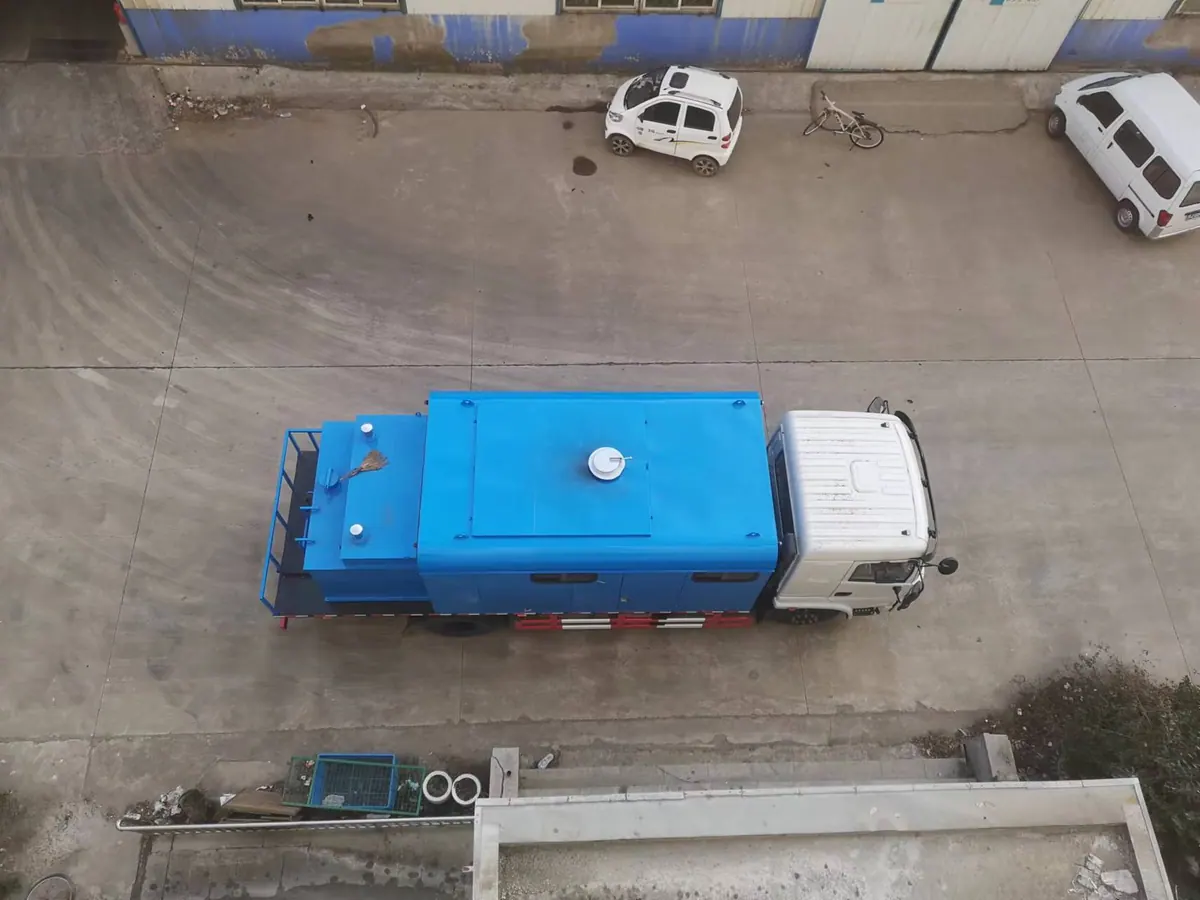
Ask the project team and suppliers to identify the intended travel condition and the installed working condition. List onboard equipment and tank contents for each, including purchaser additions and separately carried items. Do not assume that a photograph of a parked truck represents its accepted transport load. The equipment and carrier review needs an identified basis before a quoted weight can be used for procurement or destination planning.
State what each weight figure includes
Request the condition behind empty, installed or loaded weight statements in the proposal. Ask whether water, fuel, circulating fluid, connection kits and loose equipment are represented. Similar labels may describe different contents between bidders. A commercial comparison should reconcile those definitions rather than treating the smallest listed weight as an advantage when it excludes resources needed by the selected heating program.
Review vehicle suitability with the responsible providers
Have the carrier and integration suppliers assess the relevant loaded and axle information for the accepted conditions. Obtain the supporting configuration-specific documents. Tank volume alone does not establish lawful road carrying capacity, and a gross vehicle figure does not resolve distribution between axles. Procurement should supply accurate cases and request the assessment rather than invent a universal fill percentage or apply an arbitrary spare-payload allowance.
Account for replenishment at the destination
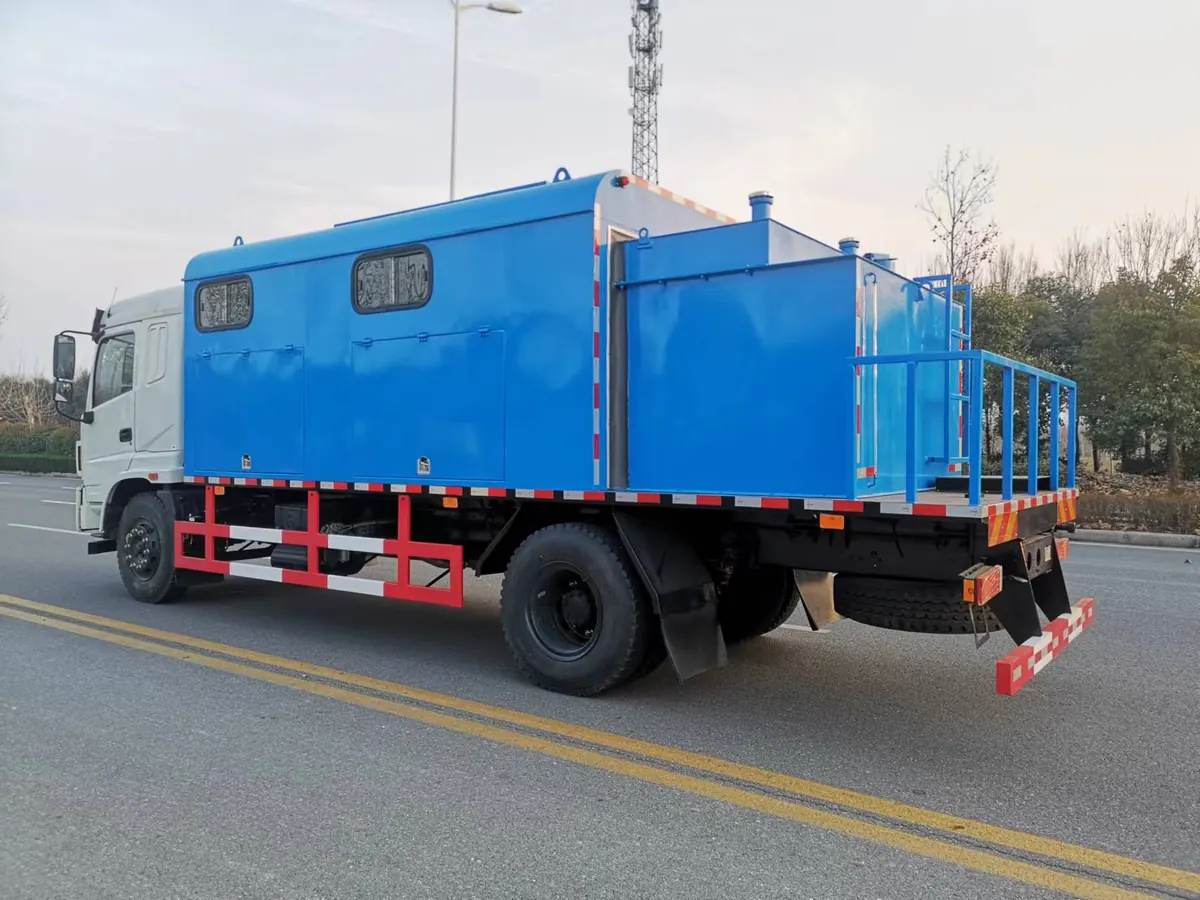
If the travel condition differs from the working condition, identify the resources and activities needed after arrival. Ask who supplies accepted water, fuel or other fluid and how those interfaces are included in the project. A reduced road load may be appropriate but can increase site dependencies. Keep this trade-off visible before accepting a claim that the truck can arrive fully ready for every assignment.
Keep conditions controlled through delivery
Record the accepted definitions with the arrangement, loading information and relevant operating documents. Ask what must be reviewed if tank capacities, connection equipment or carried spares change. The delivered vehicle should be checked against the same basis used for selection. Do not allow a later accessory or different fill assumption to change the transport configuration silently while the purchase continues to refer to an earlier weight figure.
Compare autonomy and mobility without mixing cases
A proposal may offer useful onboard storage while relying on a restricted travel condition or site replenishment. That is not necessarily a weakness, but it must be understood. Evaluate each alternative using the same campaign, accepted load definitions and destination requirements. Keep working utility capacity separate from road-transport suitability and shipping weight. The purchase should identify what can be carried, under which reviewed condition and what is provided after positioning, without promising universal full-tank travel, unrestricted axle loading or an operating duration inferred solely from nominal storage volume.
Put these items side by side in the bid review
| Purchase item | Question to resolve | Evidence to request |
|---|---|---|
| Travel | Which contents are carried on the road? | Accepted transport inventory |
| Working | Which contents support the heating case? | Defined operating configuration |
| Review | Who accepts the relevant vehicle loads? | Configuration-specific carrier response |
Suggested wording for the quotation request
State the proposed travel and working configurations for the attached heating package. Identify water, fuel, circulating fluid, loose equipment and purchaser additions included in each weight figure. Provide relevant loaded and axle information and destination review responsibilities. Explain required replenishment after arrival and control changes affecting the accepted conditions. Do not assume nominal tank volume establishes permissible transport load or heating autonomy.
Specify the vehicle-mounted boiler as an installed heating and transport package. Keep the chosen medium, useful outlet duty, inlet conditions and working schedule with the equipment selection. Confirm how tanks, power, controls and external connections fit the carrier and accepted operating arrangement. Component maxima and reference photographs do not prove complete installed capability. Ask the responsible suppliers to identify required site services and remaining acceptance checks. Retain the final arrangement, load basis, drawings and verification records with the purchase. Relocation, commissioning and operation require the accepted equipment documents and competent site review.
For the wider equipment scope, consult the Vehicle-Mounted Boilers: Payload with Water and Fuel. Use the RFQ checklist to collect the supporting documents before requesting a configuration-specific quotation.
Buyer questions
Does tank capacity establish what may be carried on the road?
No. Confirm the accepted transport condition and vehicle assessment separately.
Can empty and installed weight figures be compared directly?
Only after the contents and equipment included in each figure are aligned.
Background and supplier contact
ICC Incoterms® resources offers related background, not certification of the equipment in a quotation. Applicability must be checked for the project and destination.
Explore the vehicle-mounted boiler, browse all technical resources, or visit Vance Petroleum for company information. Request a heating-package proposal with the medium, useful duty, fuel, water or fluid information and site interfaces.