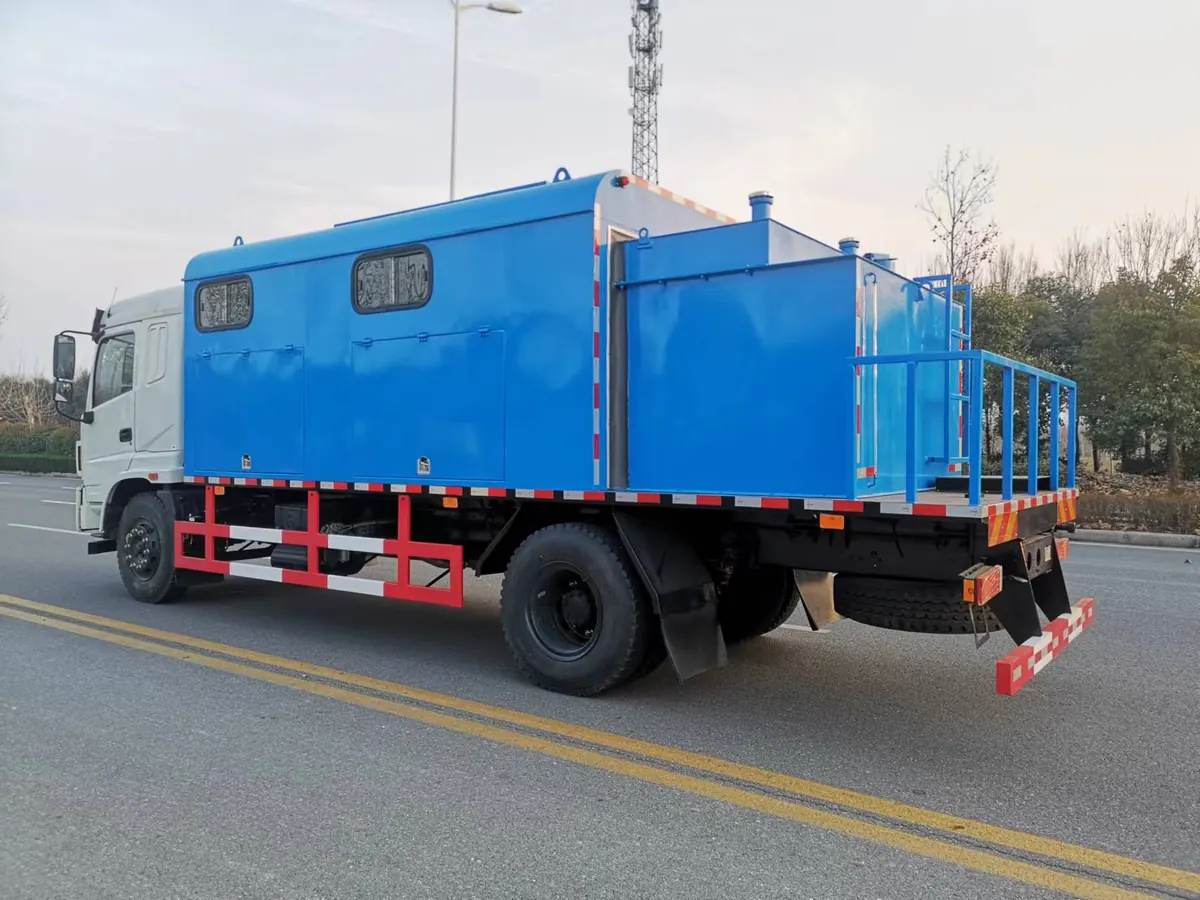
List everything carried in the travel condition
Use the accepted vehicle and tank-content basis to identify installed equipment, hoses, adapters, tools and any loose accessories. Include purchaser additions intended to travel with the truck. A mounting assessment for the boiler alone does not automatically cover every item later placed in a storage compartment. The supplier needs the actual inventory and arrangement to describe its transport scope and remaining purchaser responsibilities.
Identify responsibility for installed items
Ask which provider assesses the mounting and transport provisions for the boiler, tanks, power source and auxiliaries on the selected carrier. Obtain the relevant configuration documents. The proposal should state what has been reviewed rather than rely on a generic heavy-duty label. Keep the connection between component installation and completed vehicle assessment explicit, especially where the heating equipment and carrier are supplied or modified by different parties.
Review accessories and storage arrangements
Request the proposed storage locations and transport provisions for the accepted connection kits and loose items. Ask which equipment is included and which remains purchaser scope. A box, reel or bracket visible on a reference vehicle may not be part of the order or suitable for a different kit. Avoid specifying an improvised restraint method without the responsible provider assessment and applicable equipment requirements.
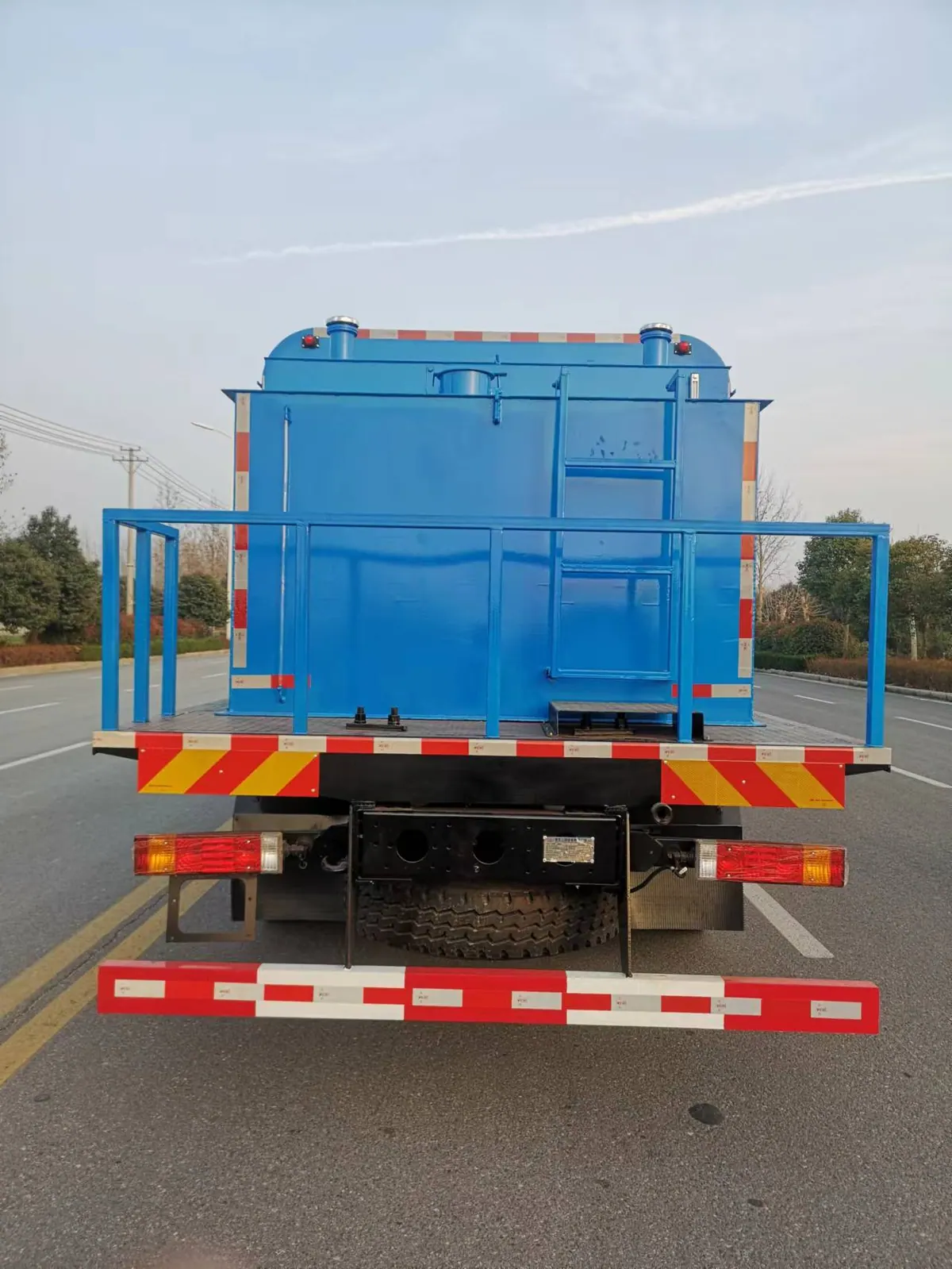
Account for connections and movable features
Ask how panels, service-access features and relevant installed connections are represented in the accepted travel arrangement. Distinguish permanent equipment from items prepared or removed for transport under the supplied documents. A stationary factory demonstration does not itself establish road readiness of every accessory. Keep preparation and condition checks with the competent responsible team rather than infer a transport method from the appearance of the vehicle.
Retain evidence and review later additions
Include the final carried inventory, relevant drawings and supplier documents with handover. Ask which changes require renewed installation or load review. A new hose reel, auxiliary tank or tool package can affect both transport provisions and vehicle loads. Do not treat unused storage space or a previous successful journey as evidence that arbitrary later additions are accepted under the original configuration.
Compare road readiness beyond the boiler frame
Have each bidder identify included transport provisions for the same inventory and accepted travel condition. Separate main equipment installation, accessory storage and purchaser preparation activities. This reveals differences that may be hidden in a single vehicle weight or mobility statement. The accepted purchase should show who supports the final carried arrangement and what evidence is provided. It should not invent structural ratings, prescribe a universal securing method or promise that every road and operating condition is covered by a heavy-duty chassis description. Actual transport requires the relevant approved documents and responsible review.
Put these items side by side in the bid review
| Purchase item | Question to resolve | Evidence to request |
|---|---|---|
| Inventory | What is carried in the accepted travel state? | Controlled equipment and accessory list |
| Provision | Who assesses installed and loose items? | Supplier scope and configuration records |
| Changes | What additions need reassessment? | Documented review boundary |
Suggested wording for the quotation request
Identify road-transport provisions for the attached installed equipment, tank-content condition and accessory inventory. Separate main mounting, auxiliary installation, loose-item storage and purchaser preparation responsibilities. Provide relevant arrangement and acceptance records and restrictions on later additions. Distinguish stationary demonstrations from transport evidence without using a general heavy-duty description as approval of every carried configuration.
Specify the vehicle-mounted boiler as an installed heating and transport package. Keep the chosen medium, useful outlet duty, inlet conditions and working schedule with the equipment selection. Confirm how tanks, power, controls and external connections fit the carrier and accepted operating arrangement. Component maxima and reference photographs do not prove complete installed capability. Ask the responsible suppliers to identify required site services and remaining acceptance checks. Retain the final arrangement, load basis, drawings and verification records with the purchase. Relocation, commissioning and operation require the accepted equipment documents and competent site review.
For the wider equipment scope, consult the Vehicle-Mounted Boilers: Payload with Water and Fuel. Use the RFQ checklist to collect the supporting documents before requesting a configuration-specific quotation.
Buyer questions
Does the main boiler mounting cover all loose accessories?
No. Confirm the transport scope for the actual complete inventory.
Does unused compartment space establish permission to add equipment?
No. Review restraint, load and installation effects before accepting additions.
Background and supplier contact
OSHA oil and gas extraction guidance offers related background, not certification of the equipment in a quotation. Applicability must be checked for the project and destination.
Explore the vehicle-mounted boiler, browse all technical resources, or visit Vance Petroleum for company information. Request a heating-package proposal with the medium, useful duty, fuel, water or fluid information and site interfaces.